

On June 29, 2026, the U.S. Department of Commerce announced the first expedited sunset review of the anti-dumping duty order covering hot-rolled coil (HRC) from China. The review centers on compliance checks tied to 2025 export data and price composition, and it merits close attention from exporters, North American distributors, import-side compliance teams, and contract managers because the outcome is stated to affect future five-year export access conditions, tariff application, and customs clearance documentation requirements.
What the Current Notice Confirms
The confirmed facts are limited but commercially significant. The announcement was issued on June 29, 2026, by the U.S. Department of Commerce and formally opened the first expedited sunset review related to the anti-dumping duty order on Chinese-origin HRC. According to the provided summary, the review involves examination of 2025 export data and the compliance of price composition. The stated commercial relevance is direct: the review result will affect export quota conditions to the U.S. for the next five years, the application of additional duty rates, and the documentation required for customs clearance.
Where the Immediate Pressure May Appear
Export transactions and pricing files
From an industry perspective, direct trading companies are likely to feel the earliest impact because the review explicitly refers to export data and price composition compliance. That means the pressure is not only on shipment activity itself, but also on how pricing records, transaction structures, and supporting documentation are organized and presented during cross-border business.
Distributor inventory decisions in North America
North American distributors are specifically identified in the event summary as a group likely to be affected. Analysis shows the practical issue is timing: inventory planning may become more cautious when future tariff treatment, quota-related access conditions, and customs documentation requirements are under review. The main business exposure is therefore in stock positioning, replenishment rhythm, and the wording of purchase terms tied to delivery and clearance risk.
Contract management and customs execution
Supply chain service providers, import compliance teams, and procurement functions may also need to watch the review closely. What deserves closer attention is that the announced areas of impact are not limited to price competitiveness; they also extend to customs paperwork and the interpretation of applicable duty treatment. In practice, this can affect contract clauses, document preparation, and coordination between sellers, buyers, and customs-facing service partners.
What Companies Should Track Now
Follow the official wording, not just the headline
Analysis shows companies should separate the launch of the review from its eventual outcome. At this stage, the confirmed fact is that the review has started. Businesses involved in HRC trade should therefore focus on any subsequent official language about scope, documentation, timing, and implementation rather than treating the announcement itself as a final commercial result.
Recheck document consistency across shipments
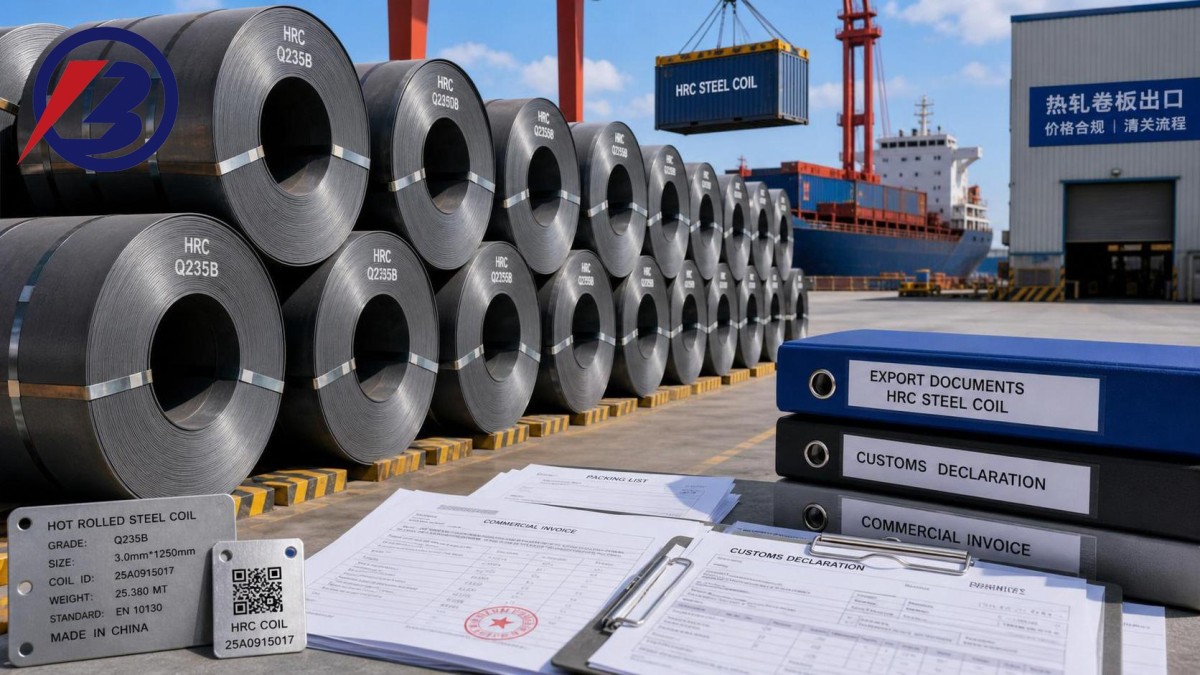
Because the review covers 2025 export data and price composition compliance, firms should pay close attention to the consistency of commercial invoices, pricing breakdowns, customs declarations, and other transaction-supporting materials. The key issue is not to assume additional requirements beyond the input, but to recognize that documentation quality may become more important where customs clearance obligations are explicitly mentioned.
Review contract clauses that shift trade risk
What deserves closer attention is how procurement and sales contracts allocate risk related to additional duty application, customs document responsibilities, and delivery timing. For distributors and buyers in North America, this is less about rewriting every agreement immediately and more about identifying which active or pending contracts could be exposed if the review result changes the operating assumptions for the next five years.
Keep commercial communication practical
For suppliers, buyers, and service providers, the immediate need is disciplined communication. Observably, the policy signal and the business impact are connected but not identical. Teams should avoid presenting assumptions as settled outcomes and instead align internal planning around document readiness, customer notice procedures, and contingency discussions linked to tariffs, clearance, and order execution.
How This Should Be Read at This Stage
This section is analysis, not confirmed fact. It is more appropriate to understand this development as a live trade-policy signal rather than a completed market outcome. The announcement matters because it places export data, pricing compliance, and customs execution into the same decision frame, which can influence commercial behavior before any final review conclusion is known. For that reason, the development deserves continued monitoring by both trading parties and downstream distribution channels.
The Practical Meaning for the Market
At present, this news is best understood as an actionable compliance and planning event, not as proof of a finalized change in trade conditions. The confirmed information already indicates possible consequences for future export access, tariff application, and customs documentation, so the industry significance lies in preparation and risk review. A neutral reading is that this is a short-term operational trigger with possible longer-tail implications, and the final weight of the event still depends on subsequent official developments.
Basis of This Article and Ongoing Verification
This article is based on the user-provided news title, event date, and event summary. For developments of this type, commonly relevant source categories may include official government notices, company disclosures, industry association updates, authoritative media reporting, and standard-setting or trade-related documentation. The specific official source link was not provided in the input, so the exact notice text and any later procedural updates still require ongoing verification. The main follow-up points to watch are future official statements, any clarification on documentation and implementation, and any confirmed result affecting export quota conditions, additional duty application, or customs clearance requirements.
By clicking 'Allow All', you agree to the storage of cookies on your device to enhance site navigation, analyze site usage and assist with our marketing efforts. Coo Cookie Notice