
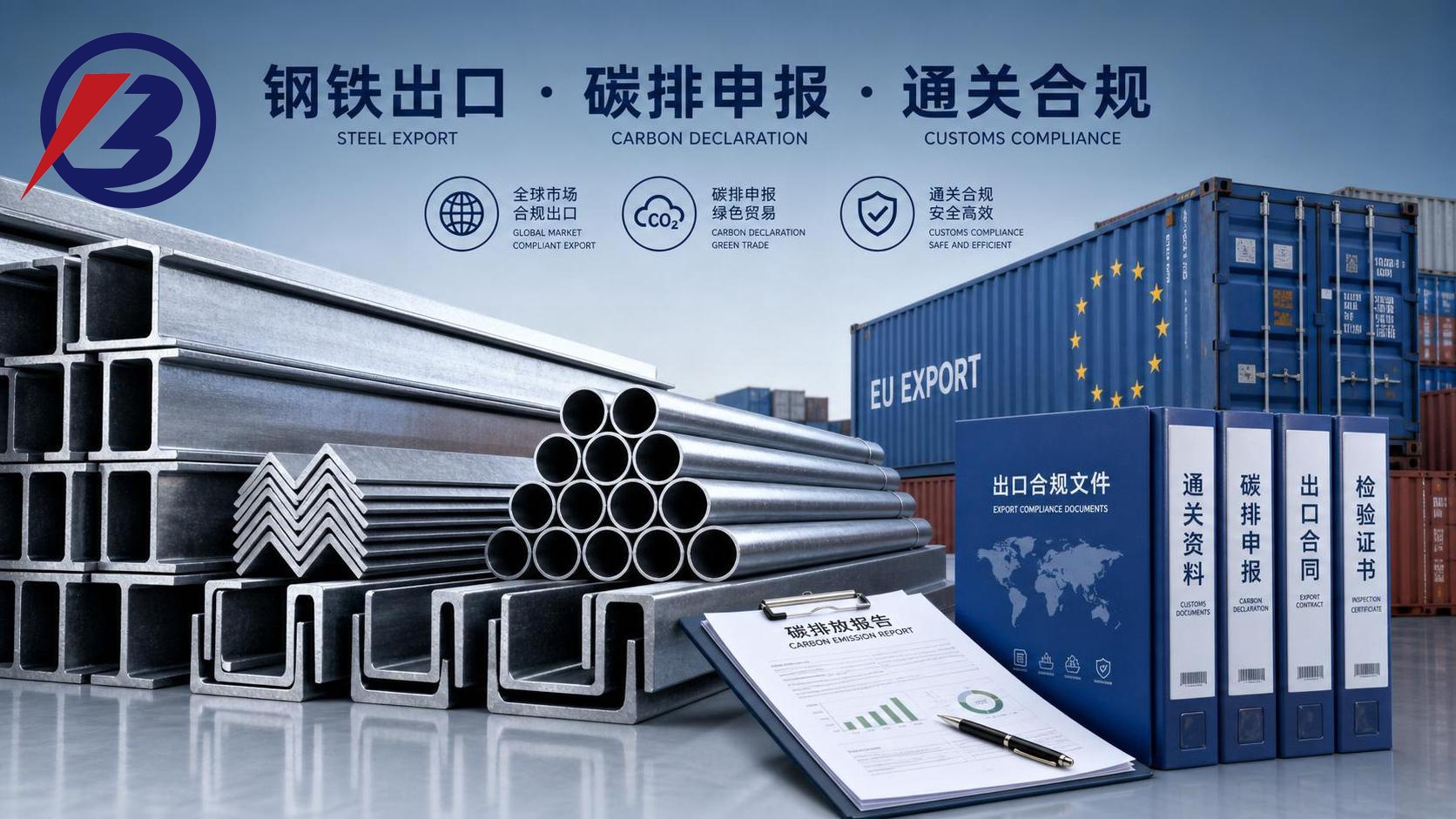
From July 1, 2026, the EU Carbon Border Adjustment Mechanism (CBAM) moves steel and key structural steel products into a stage where reporting and advance carbon-related payments become operational requirements for export business. For Chinese suppliers shipping products such as H-beams, angle steel, channel steel, and seamless steel pipes to the EU, this is not just a policy headline but a direct change to customs readiness, delivery scheduling, cost handling, and document preparation across the export chain.
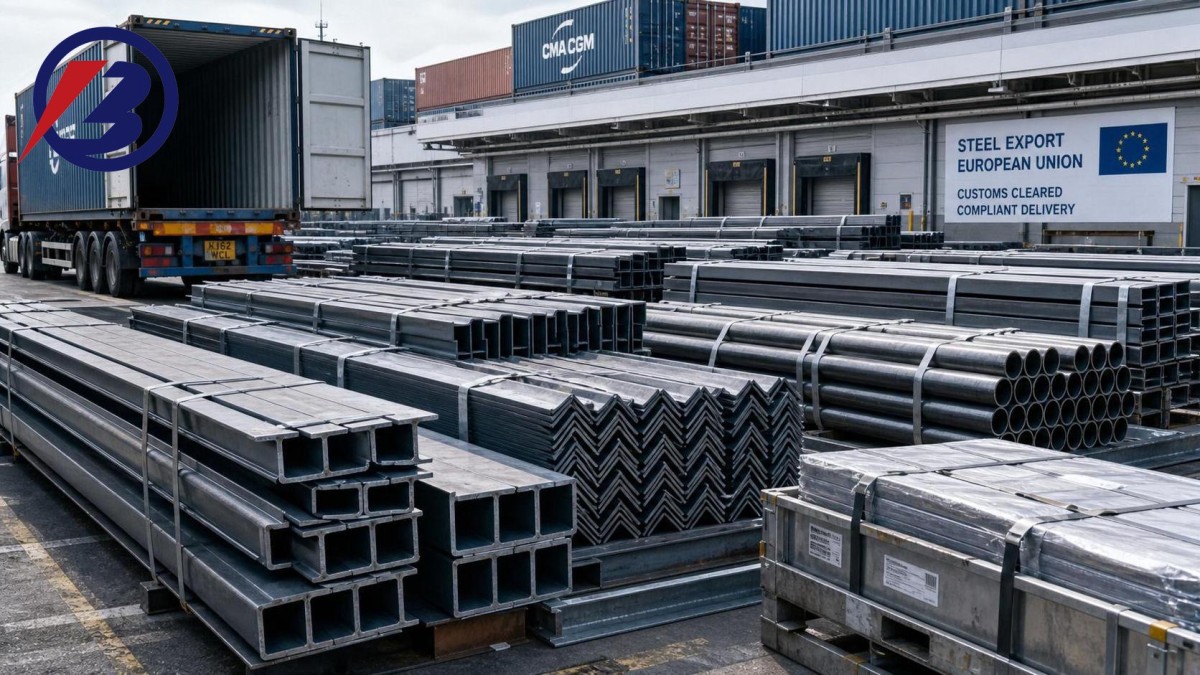
What the Rule Change Confirms
The confirmed change is that, starting on July 1, 2026, CBAM applies mandatory declaration and prepayment requirements to steel and major profile products, including H-beams, angle steel, channel steel, and seamless steel pipes.
Exporting companies are required to submit reports on carbon emission intensity from the production process through the CBAM transitional registration system.
They must also pay the corresponding carbon price certificates on a quarterly basis.
The event summary further confirms that non-compliant declarations may lead to customs clearance delays or cargo detention, with direct effects on delivery timing and cost structure for shipments to the EU.
Where the Immediate Pressure Will Appear
Export contracts now depend more heavily on emissions documentation
Direct trading companies and export-oriented manufacturers are likely to be affected first because the rule links customs progress to carbon reporting and quarterly payment obligations. The operational pressure is likely to appear in shipment preparation, declaration files, internal compliance review, and delivery coordination for EU-bound orders.
From an industry perspective, what deserves closer attention is whether exporters can organize production-stage carbon emissions data in a form that matches CBAM filing requirements, since the event summary makes clear that non-compliance can disrupt clearance and therefore commercial delivery.
Production and processing teams face new data preparation demands
Processing manufacturers involved in H-beams, angle steel, channel steel, and seamless steel pipes may be affected because the required submission concerns carbon emission intensity generated during production. That means the manufacturing side is no longer separated from the trade side for EU-bound business.
Analysis shows that the practical impact is likely to fall on internal records, technical documentation, and cross-department coordination between plant operations, compliance staff, and export teams. The key issue is not only whether a product can be shipped, but whether the supporting emissions information can be prepared in time for filing.
Supply chain and delivery service providers may need to adjust timelines
Logistics coordinators, customs-related service providers, and other supply chain participants may also feel the effect because customs delays or cargo holds can change delivery sequencing and handover schedules. Even when they are not the filing party, their work can be affected by incomplete CBAM-related materials or delayed compliance steps upstream.
Observably, this creates a stronger link between compliance readiness and delivery management. Transit planning, booking windows, and handoff timing may require closer coordination with exporters handling CBAM submissions.
EU-facing buyers and procurement teams may tighten document expectations
Procurement teams sourcing covered steel products may also need to pay closer attention because delivery reliability and landed cost can be affected when CBAM obligations are not handled smoothly. In practice, the issue may show up in supplier qualification checks, document requests, and review of whether suppliers can support the required emissions reporting and quarterly payment process.
It is more appropriate to understand this as a trade compliance issue that can move upstream into purchasing decisions, rather than as a customs matter only.
What Companies Should Watch Closely Now
Readiness of emissions reporting files
Companies exporting covered steel products should pay close attention to whether production-process carbon emission intensity data can be compiled, reviewed, and submitted through the required CBAM registration system. The event summary confirms the filing obligation, but it does not provide detailed implementation standards, so document completeness and internal verification remain areas that require continued attention rather than assumptions.
Quarterly payment planning and cost allocation
The requirement to pay corresponding carbon price certificates on a quarterly basis means exporters need to watch how this obligation is reflected in transaction planning, internal budgeting, and delivery cost management. Analysis shows that even without additional published detail in the input, companies should treat this as a live compliance cost item rather than a theoretical policy factor.
Contract timing and delivery commitments to the EU
Because non-compliant declaration may lead to customs delays or cargo detention, delivery promises for EU orders deserve closer review. Exporters, traders, and supply chain teams should pay particular attention to order lead times, handover milestones, and whether contract schedules leave enough room for compliance preparation before shipment.
Changes in supporting documents and buyer requirements
What deserves closer attention is whether downstream trade documents, technical files, tender materials, or supplier review processes begin to reflect the need for emissions-related evidence tied to covered steel products. The input does not confirm a unified market practice, so this should be treated as an area to monitor rather than a completed shift.
Why This Looks Like an Execution Signal
Analysis shows that this development is best read as an implemented compliance step rather than a distant policy discussion. The reason is straightforward: the event summary identifies a start date, a reporting path, a quarterly payment obligation, and direct customs consequences for non-compliance.
At the same time, it would be premature to treat every operational detail as fully settled based on the provided information alone. Observably, the market will still need to watch how filing practice, documentation expectations, and commercial responses develop in actual transactions.
How the Market Should Read This Development
For the steel export business tied to the EU market, this update signals that carbon-related compliance is moving into day-to-day execution for covered products rather than remaining a background regulatory topic. The immediate significance lies in its effect on shipment documentation, customs continuity, delivery timing, and cost handling.
It is more appropriate to understand this as a rule now entering practical enforcement for affected steel exports, while also recognizing that the exact execution approach in documents, procurement reviews, and transaction practice still deserves continued observation.
Source Basis and What Still Needs Verification
This article is generated based on the user-provided news title, event date, and event summary. For developments of this kind, commonly relevant source categories may include official notices, releases from regulatory authorities, customs or trade administration information, industry association updates, standards-related documents, and reporting by authoritative media.
No specific official source link was provided in the input, so the exact official reference still requires ongoing verification. Follow-up attention should remain on implementing details, compliance interpretation, document requirements, procurement and tender wording changes, industry feedback, and how affected companies carry out reporting and quarterly payment obligations in practice.
By clicking 'Allow All', you agree to the storage of cookies on your device to enhance site navigation, analyze site usage and assist with our marketing efforts. Coo Cookie Notice