
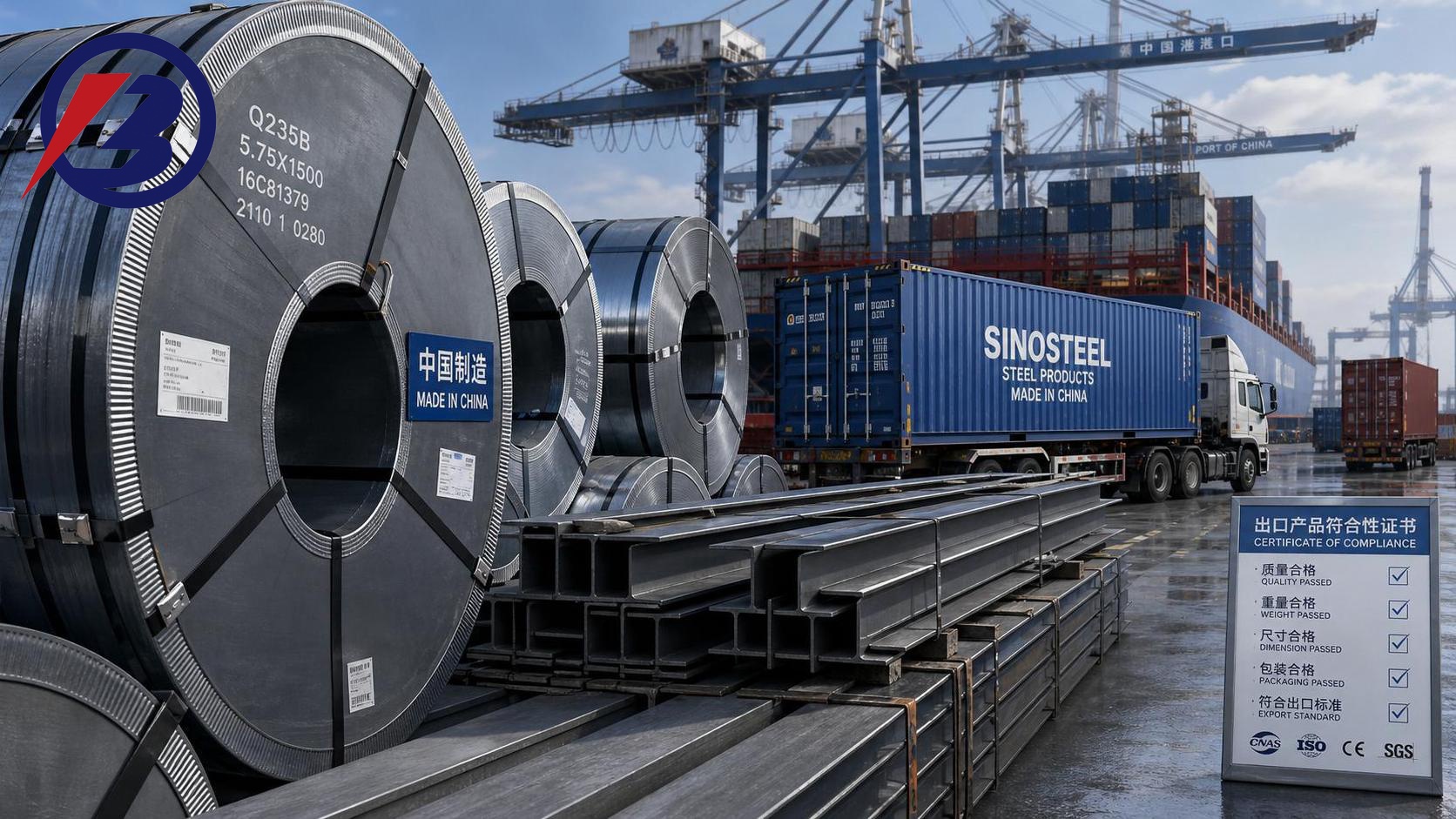
On June 27, 2026, the U.S. Department of Commerce announced the start of an annual administrative review covering anti-dumping and countervailing measures on hot-rolled steel coil from China under HS 7225/7226. For exporters, U.S. importers, trading firms, and supply chain service providers handling these shipments, the development matters because it can affect customs clearance costs in the United States, importer cash deposit adjustments, and pricing decisions tied to procurement over the next 12 months.
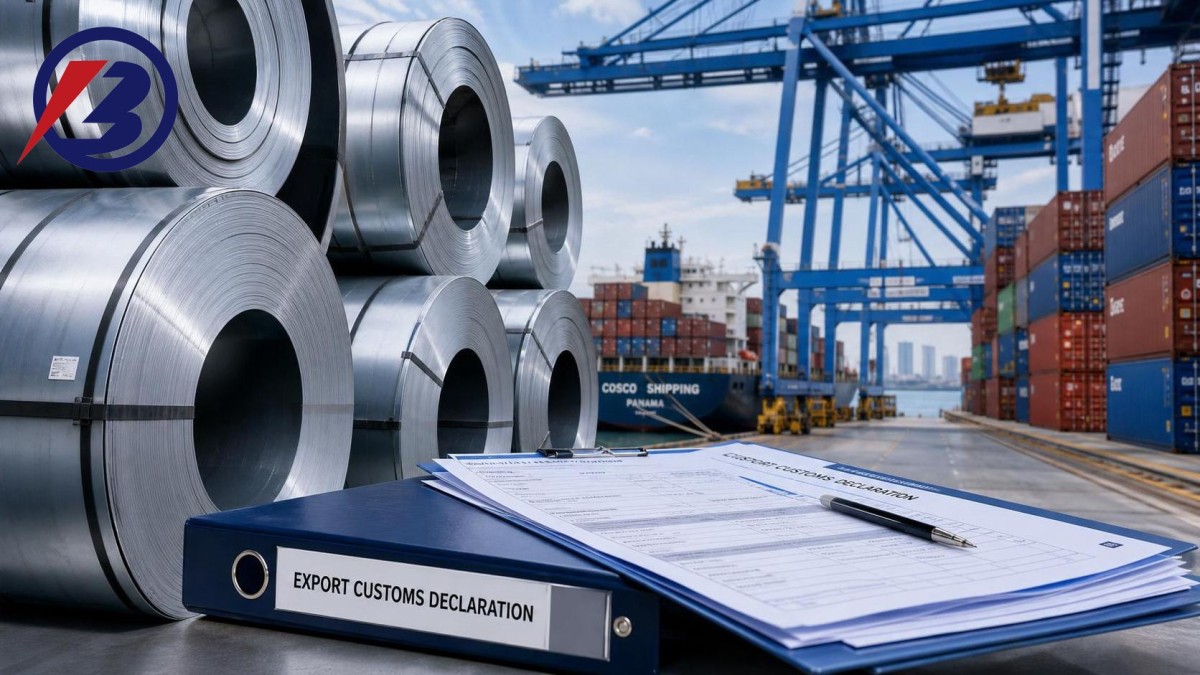
What the review now covers
According to the announced information, the review concerns Chinese hot-rolled steel coil classified under HS 7225/7226 and includes both anti-dumping (AD) and countervailing duty (CVD) annual administrative review procedures. The covered shipment period runs from April 1, 2025 to March 31, 2026. The disclosed scope of impact includes U.S. customs clearance costs, possible adjustments to importer deposits, and documentation requirements for affected exporters, including updated certificates of origin, cost structure records, and supply chain traceability materials.
Where the business impact is most likely to appear
Pressure points for exporters shipping to the U.S.
From an industry perspective, exporters are likely to feel the effect first in compliance preparation and transaction execution. The reason is straightforward: the review directly relates to shipments already within the covered period, while the required origin, cost, and traceability documents can influence how companies support their entries and defend their filing positions. What deserves closer attention is whether internal records are complete and consistent across customs, finance, and sales documentation.
Cost visibility for U.S. importers and buyers
Analysis shows that importers and procurement teams may need to reassess landed cost assumptions. The review is specifically tied to customs clearance costs and deposit adjustments, so its immediate relevance is not only regulatory but also commercial. Companies buying under fixed or forward pricing arrangements should pay attention to how duty-related uncertainty feeds into contract execution, budget planning, and near-term replenishment decisions.
Operational exposure for traders and supply chain service providers
Trading companies, customs-related service providers, and logistics coordinators may face tighter requirements around document flow and shipment traceability. Observably, when origin proof, cost structure files, and traceability materials become more central, the risk shifts from pricing alone to process control. The business impact may therefore appear in document turnaround time, handoff accuracy between counterparties, and the ability to explain product history clearly during clearance or review support.
Implications for downstream manufacturing users
For processors and end users sourcing material linked to U.S.-bound business, the issue is less about the legal review itself and more about procurement timing and supplier coordination. If suppliers or import channels need additional documentation support, delivery planning and price confirmation may require closer coordination than usual. The key point is not that downstream demand has changed as a matter of fact, but that sourcing decisions may need to account for a more document-intensive trade environment.
What companies should watch in practice
Track official wording and procedural updates
What deserves closer attention is the exact language used in subsequent official communications tied to the review. Companies should distinguish between the announced start of the administrative review and any later procedural developments that may affect filing expectations, document scope, or timing. Treating the initiation itself as the final commercial outcome would be premature.
Recheck shipment records within the covered period
Businesses connected to exports from April 1, 2025 to March 31, 2026 should review whether shipment files are complete for the covered batches. In practice, this means checking whether origin-related records, cost structure materials, and supply chain traceability documents can be retrieved quickly and matched to the relevant transactions.
Prepare for pricing and deposit-related conversations
Because the review may affect customs clearance costs and importer deposit levels, commercial teams should be ready for renewed discussions with U.S. customers, importers, and internal procurement teams. The practical issue is not only price adjustment itself, but also how parties explain cost assumptions, timing risk, and responsibility for compliance-related documentation.
Align internal teams and external counterparties
Export sales, compliance, finance, and logistics functions should work from the same document set and shipment timeline. For firms using external brokers, agents, or service providers, it is important to confirm who holds which records and how quickly they can be produced. In this case, operational readiness is closely tied to document consistency rather than broad management rhetoric.
How this should be understood at this stage
Analysis shows that this development is better understood as an active procedural signal than as a final market result. The review has clear practical importance because it affects cost expectations, documentation burdens, and supply chain coordination, but the announcement itself does not by itself establish every downstream business outcome. That is why the industry still needs to follow how the review progresses and how affected parties respond in real transactions.
Why the market is watching closely
At this stage, it is more appropriate to understand the announcement as a near-term operational issue with broader strategic relevance. In the short term, the main focus is documentation, customs cost exposure, and procurement pricing over the next 12 months. In a wider industry reading, the case is also a reminder that trade compliance requirements can quickly move from policy language into daily execution for exporters, importers, and service providers. The significance is real, but the final commercial implications still require continued observation.
Basis of this article and follow-up verification
This article is based on the user-provided news title, event date, and event summary regarding the June 27, 2026 initiation by the U.S. Department of Commerce of an AD and CVD annual administrative review on Chinese hot-rolled steel coil under HS 7225/7226. For this type of development, relevant source categories usually include official government notices, company disclosures, industry association updates, authoritative media reporting, and trade-related standards or compliance documents. A specific official source link was not provided in the input, so further verification remains necessary. Follow-up attention should focus on any later official procedural statements, documentation requirements, and business responses connected to the covered shipment period.
By clicking 'Allow All', you agree to the storage of cookies on your device to enhance site navigation, analyze site usage and assist with our marketing efforts. Coo Cookie Notice