
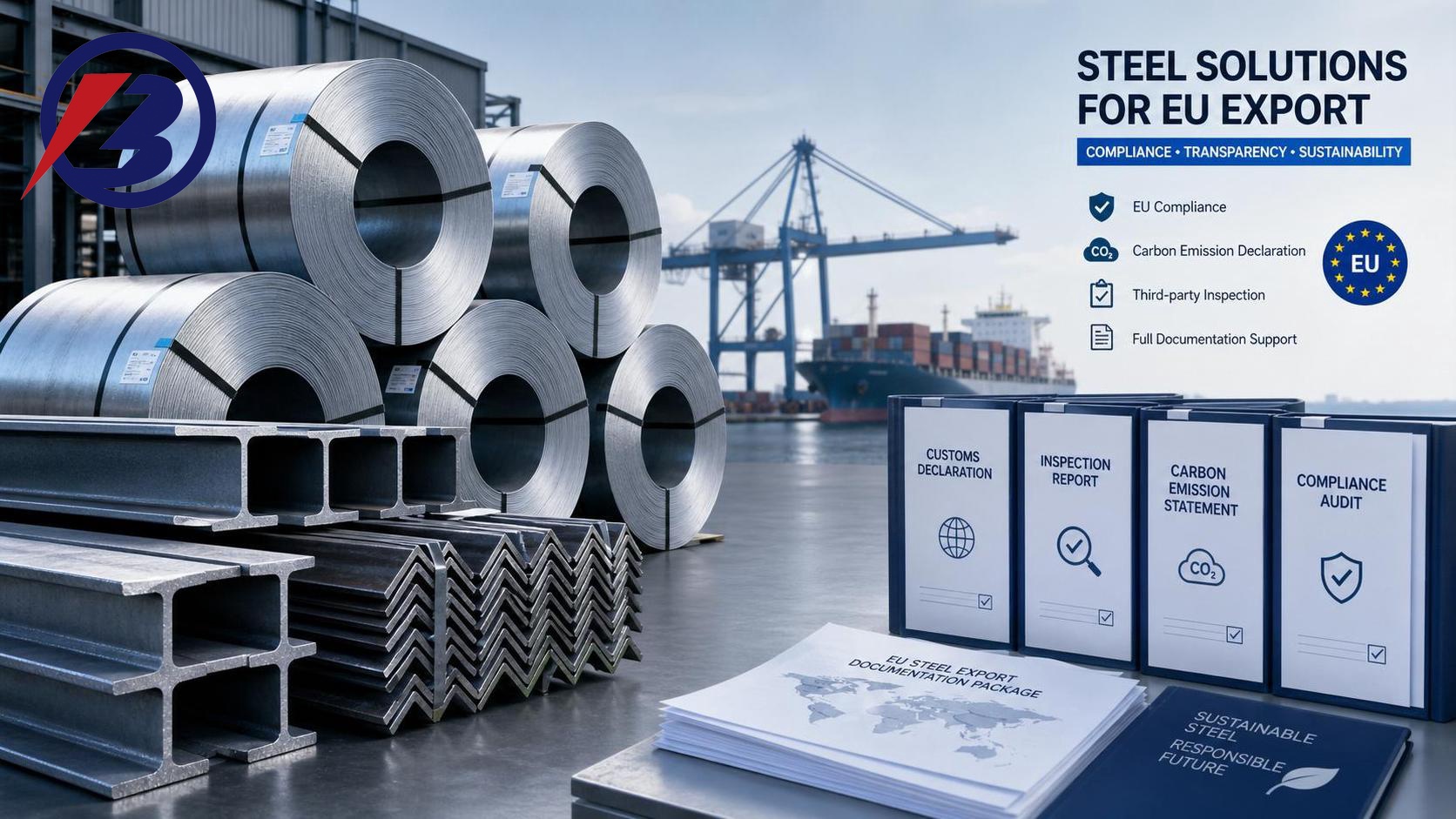
On June 26, 2026, the transition period of the EU Carbon Border Adjustment Mechanism (CBAM) moved into a mandatory reporting stage for certain steel exports. For Chinese suppliers shipping basic steel sections such as hot-rolled coils, H-beams, and angle steel to the EU, the change centers on quarterly disclosure of embedded carbon emissions and verification by an EU-ETS-recognized verifier. This matters to exporters, buyers, certification-related service providers, and delivery teams because compliance now links directly to customs clearance and to access in the later formal phase.
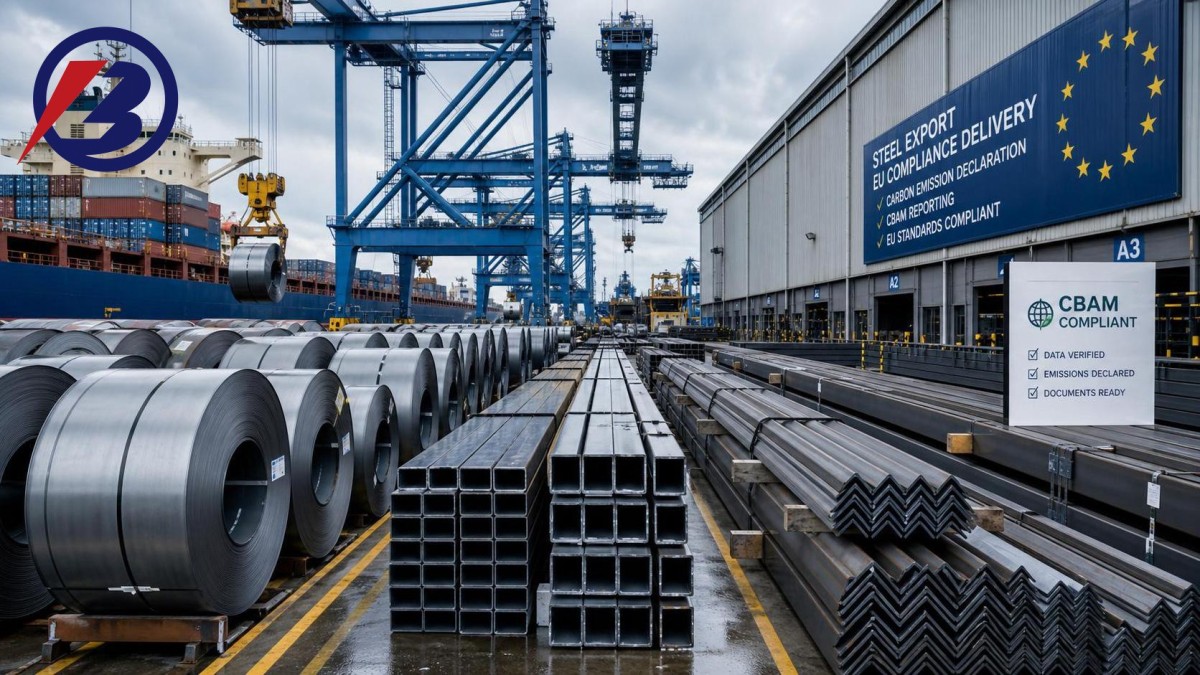
What Has Officially Changed as of June 26, 2026
According to the provided event information, the CBAM transition period entered a compulsory data filing stage on June 26, 2026. Chinese suppliers exporting basic steel products to the EU, including hot-rolled coils, H-beams, and angle steel, are required to submit embedded carbon emissions data on a quarterly basis. The same information also states that these submissions must be certified by a verifier recognized under EU-ETS. Non-compliant reporting may affect customs clearance and eligibility for access in the subsequent formal stage.
Where the New Requirement Reaches Into the Supply Chain
Export transactions now depend on emissions reporting readiness
From an industry perspective, direct exporters are likely to feel the first impact because the reporting requirement is tied to whether goods can move through customs and remain positioned for later market access. What deserves closer attention is that compliance is no longer limited to commercial documentation alone; emissions-related reporting and third-party verification become part of export execution.
Procurement and production teams may need tighter data coordination
Analysis shows that manufacturers and internal procurement teams may be affected where product-level or batch-related emissions information must be collected, organized, and prepared for quarterly submission. The practical pressure is not only on production output, but also on whether underlying records, technical data, and supplier-side information can support a verifiable carbon declaration.
Buyers and channel partners may raise documentary requirements
Observably, EU-facing buyers, distributors, and trading intermediaries may place more attention on whether suppliers can provide compliant emissions data and recognized verification in time for shipment. The impact may appear in supplier qualification checks, purchase terms, document requests, and delivery scheduling, especially where customs timing is sensitive.
Verification-related service demand is likely to become more immediate
It is more appropriate to understand this as a compliance signal for certification-related firms and testing or verification support providers as well. Because the provided information specifies EU-ETS-recognized verification, service capability, document preparation, and review timing may become part of the transaction chain rather than a parallel administrative task.
What Companies Should Watch in Current Operations
Verification capability should be treated as an execution prerequisite
Analysis shows that exporters should pay close attention to whether their reporting materials can be reviewed through an EU-ETS-recognized verification route. Since the provided information does not include detailed implementation procedures, companies should avoid assuming that ordinary internal declarations will be sufficient without recognized certification.
Quarterly reporting may affect document workflows and shipment planning
What deserves closer attention is the rhythm of quarterly filing. Even without additional procedural details in the input, the reporting cycle suggests that carbon data preparation, internal review, and shipment documentation may need closer alignment with contract timing and delivery windows.
Product scope and customer-facing files need careful review
For suppliers of hot-rolled coils, H-beams, angle steel, and similar basic steel sections named in the event summary, the immediate practical issue is whether product files, technical documents, and trade paperwork can support compliant declarations. Observably, this may also influence how suppliers respond to buyer questionnaires, qualification requests, and tender-related document checks.
Non-compliant filing should be treated as a trade risk, not a clerical delay
From an industry perspective, the stated consequence is clear enough to warrant operational attention: non-compliant reporting may affect customs clearance and later-stage access. That does not by itself confirm how every case will be handled in practice, but it does indicate that reporting quality, timing, and verification status should be managed as part of export risk control.
How This Change Should Be Read Right Now
Analysis shows that this development is better understood as an implementation-stage signal rather than a distant policy discussion. The key shift in the provided information is that the CBAM transition period has moved into mandatory filing for the covered steel exports, which places compliance expectations closer to day-to-day trade operations. At the same time, it remains necessary to keep watching how filing standards, verification interpretation, procurement documents, and market responses develop in actual execution, because those details were not included in the input.
Why the Market Will Keep Watching the Next Steps
At this stage, the event is most reasonably viewed as a concrete compliance change with direct trade implications, especially for exporters of basic steel products to the EU. It does not by itself establish every operational detail, but it clearly raises the importance of emissions reporting, recognized verification, and document readiness in the export chain. A neutral reading is that the rule change has already moved beyond general signaling, while the finer points of implementation and industry response still require continued observation.
Basis of This Article and What Still Needs Verification
This article is based on the user-provided news title, event date, and event summary. For events of this kind, relevant source types typically include official announcements, regulatory releases, customs or trade authority information, industry association notices, standards-related documents, and reporting by authoritative media. No specific official source link was provided in the input, so the exact official reference still needs to be verified on an ongoing basis. Further observation is also needed on detailed implementation rules, verification practice, tender document changes, industry feedback, and how companies carry out compliance in actual transactions.
By clicking 'Allow All', you agree to the storage of cookies on your device to enhance site navigation, analyze site usage and assist with our marketing efforts. Coo Cookie Notice