
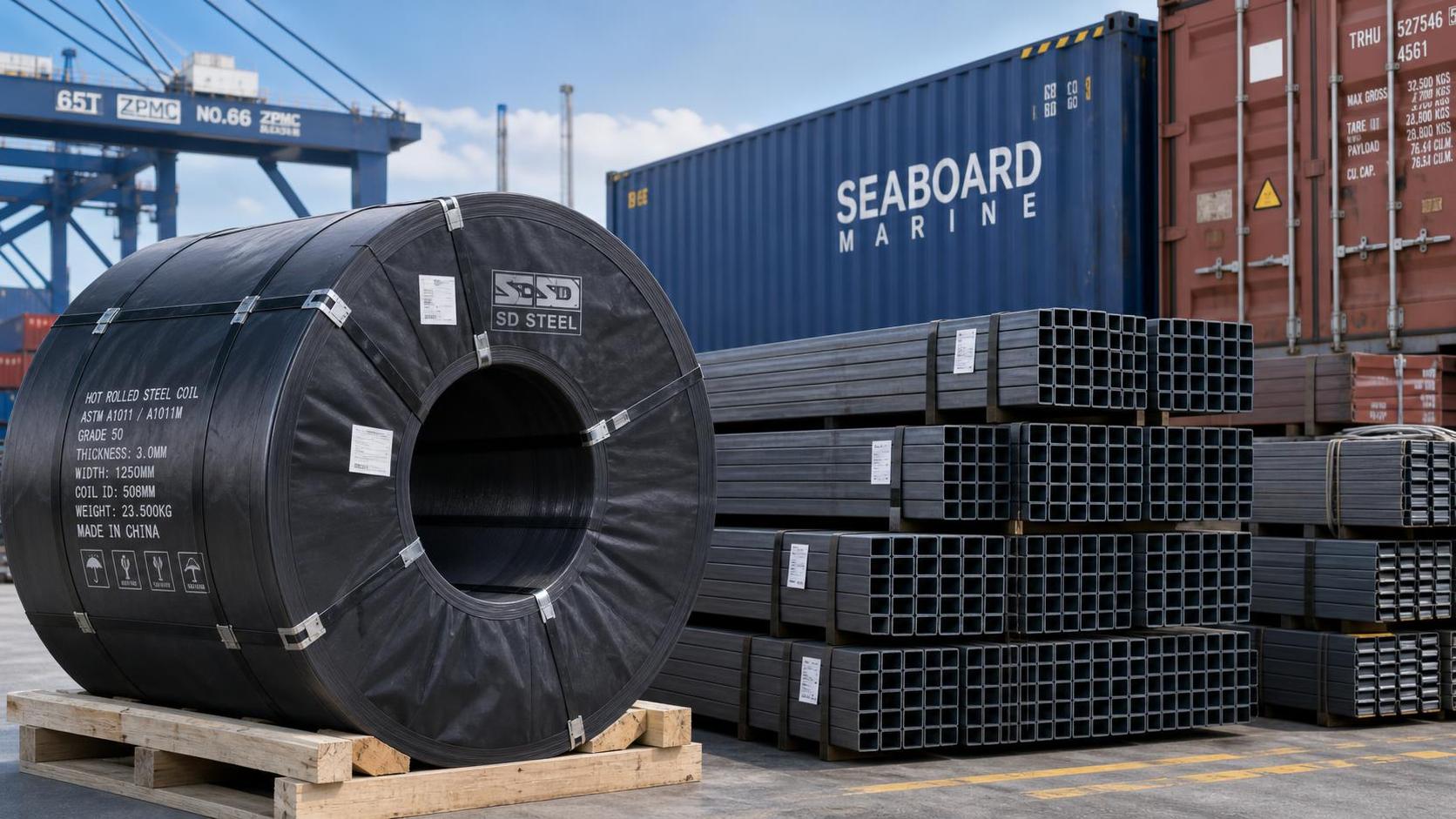
On July 27, 2026, the U.S. Department of Commerce formally opened an anti-dumping investigation into hot-rolled coil exports from China under HS 7208.10-7208.90. With a preliminary determination expected in November 2026, the case is already relevant to steel and section exporters shipping to the U.S., as well as teams handling pricing, delivery schedules, standards documentation, and origin traceability tied to ASTM A656 and ASTM A1011.
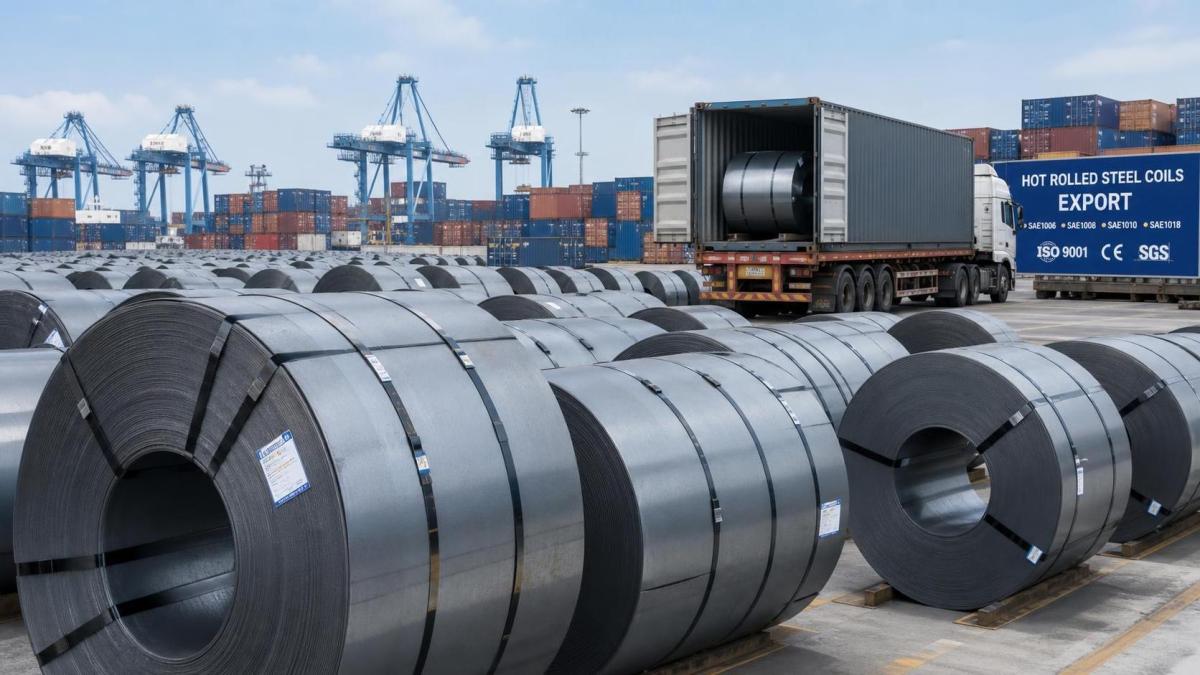
What Has Been Confirmed So Far
The confirmed facts are limited but commercially significant. The U.S. Department of Commerce initiated the case on July 27, 2026, covering hot-rolled coil exported from China within HS 7208.10-7208.90. The preliminary ruling is expected in November 2026. Based on the information provided, the investigation directly affects shipment timing to the U.S., pricing decisions, and compliance document preparation for steel and section exporters, with particular attention to ASTM A656/A1011 certification and origin traceability requirements.
Where the Immediate Pressure May Appear
Export planning is likely to tighten first
From an industry perspective, direct exporters are the first group likely to feel the effect because shipment rhythm to the U.S. may need closer coordination with the investigation timeline. The main pressure points are order scheduling, shipment release decisions, and the handling of supporting documents tied to covered products.
Commercial terms may come under review
For sales and trade teams, the issue is not only whether cargo moves, but how quotations and transaction terms are managed during an active case. Analysis shows that pricing strategy becomes more sensitive when an investigation is formally on file, especially for products that may require clearer product classification and supporting paperwork.
Compliance and documentation teams face a more practical workload
What deserves closer attention is the operational side of compliance. The information provided specifically highlights ASTM A656/A1011 standard certification and origin traceability, which means documentation quality may become as important as the commercial offer itself. This affects internal record preparation, supplier-facing data collection, and consistency across export files.
Supply chain service providers may be pulled into verification work
Observably, logistics, documentation, and related service providers may also be affected because shipment execution depends on whether product details, origin records, and certification materials are complete and aligned. Their role is less about market judgment and more about document readiness and process accuracy.
What Companies Should Watch Now
Track official wording, not just the headline
Companies involved in affected shipments should watch how the case is described in subsequent official communication. The practical impact often depends on how product scope, documentation expectations, and procedural timing are expressed, rather than on the existence of the case alone.
Review product files tied to ASTM standards
The reference to ASTM A656 and ASTM A1011 makes standards-related documentation a current priority. Businesses shipping relevant material should examine whether product certifications, technical descriptions, and supporting records are complete, internally consistent, and usable for customer or compliance review.
Check origin traceability at the document level
Origin traceability is identified directly in the case summary, so this is not a secondary issue. Companies should focus on whether procurement records, production records, and export documents can support a clear and consistent origin trail for the goods being shipped.
Prepare customer communication around timing and terms
Because shipment pace and pricing strategy are both identified as areas of impact, account teams may need to prepare for questions on delivery timing, document availability, and quotation validity. This is less about making forecasts and more about reducing execution risk in active U.S.-bound business.
Why This Matters Beyond the Filing Date
Analysis shows that this development is best understood as an active trade case with immediate operational relevance, rather than as a final market outcome. The preliminary determination is still ahead, so the current significance lies in compliance readiness and commercial caution. It is more appropriate to understand this as a near-term business signal that also warrants continued monitoring, especially for exporters whose U.S. shipments depend on stable documentation and predictable delivery timing.
How the Market May Need to Read It for Now
At this stage, the case should be read neither as a settled result nor as a routine headline. Its practical value for the industry is that it forces attention onto shipment timing, pricing discipline, certification files, and origin traceability before the preliminary ruling arrives. A neutral reading is more appropriate: this is a developing trade measure with immediate procedural implications and an outcome that still requires observation.
Basis of This Article and Ongoing Verification
This article is based on the user-provided news title, event date, and event summary concerning the U.S. Department of Commerce anti-dumping investigation into Chinese hot-rolled coil. For this type of industry update, relevant source categories would typically include official government notices, company disclosures, industry association updates, authoritative media coverage, and standard organization documents. No specific official source link was provided in the input, so the exact source record still requires ongoing verification. The key follow-up point is the expected preliminary determination in November 2026 and any subsequent official clarification on scope, documentation, and compliance expectations.
By clicking 'Allow All', you agree to the storage of cookies on your device to enhance site navigation, analyze site usage and assist with our marketing efforts. Coo Cookie Notice