

On July 3, 2026, the U.S. Department of Commerce moved forward with a new administrative review of the anti-dumping order covering hot-rolled coil (HRC) from China. The review applies to export shipments made between October 1, 2024 and September 30, 2025, and may lead to revised duty rates for some companies while also introducing a possible carbon-intensity assessment factor. For U.S.-based importers, distributors, steel structure assemblers, and building materials channels that rely on Chinese supply, this is worth close attention because it directly touches customs cost exposure, procurement timing, and delivery planning.
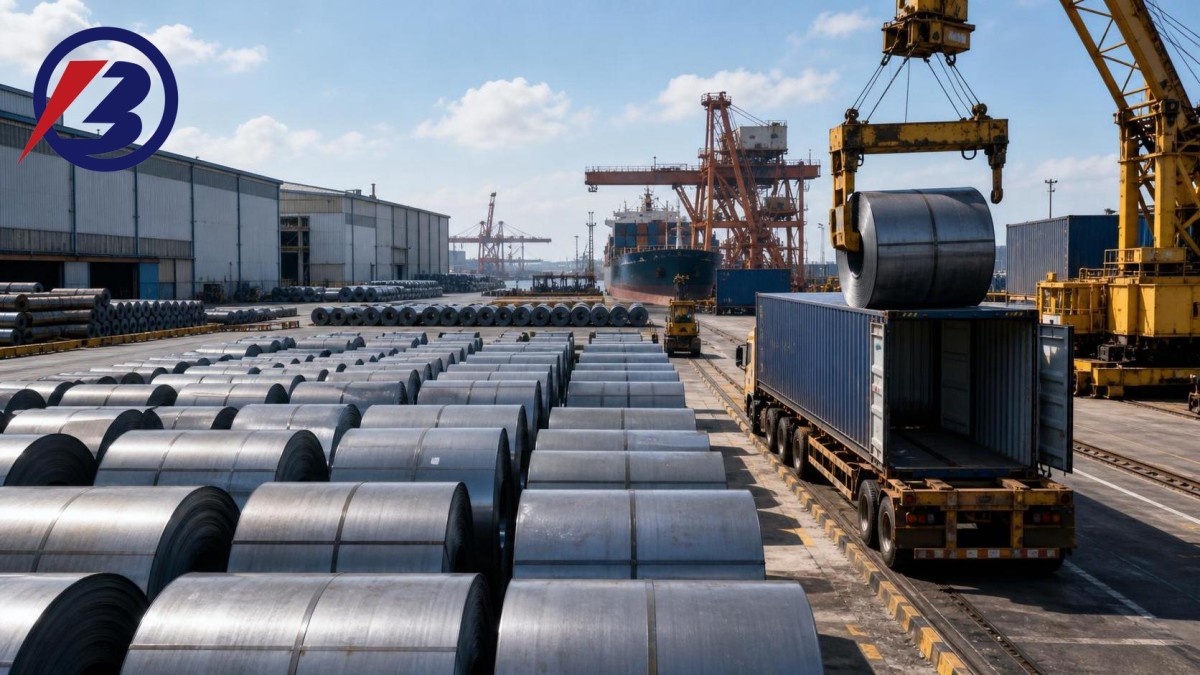
What the July 3 action confirms
The confirmed facts are limited but commercially significant. The U.S. Department of Commerce announced on July 3, 2026 that it had formally initiated the fifth administrative review of the anti-dumping duty order on Chinese HRC. The review covers export batches shipped during the period from October 1, 2024 to September 30, 2025. According to the event summary provided, the process will recalculate duty rates for certain companies and may include an additional assessment factor related to carbon intensity. The same summary indicates that the review directly affects customs clearance costs and procurement cycles for U.S. distributors and importers, with added compliance and cost pressure on steel structure assembly plants and building material channel businesses that depend on Chinese-origin supply.
Where the pressure is likely to show up first
Import cost exposure is moving closer to the customs stage
From an industry perspective, U.S. importers and in-market distributors are among the first participants likely to feel the impact because anti-dumping reviews affect landed cost expectations and the timing of customs-related decisions. What deserves closer attention is whether procurement and sales teams are working with duty assumptions that may no longer hold if company-specific rates are reset. For these businesses, the practical pressure point is not only pricing but also document readiness and shipment planning around clearance risk.
Downstream fabrication and channel sales face planning uncertainty
Steel structure assemblers and building material channel businesses that rely on Chinese HRC may be affected even if they are not the direct importer of record. Analysis shows that changes in duty treatment can feed into order confirmation cycles, restocking decisions, and customer delivery commitments. The issue is especially relevant where projects or resale arrangements depend on predictable arrival windows and stable input costs. In that setting, procurement teams need to pay closer attention to supplier declarations, shipment timing, and whether commercial documents align with the reviewed shipment period.
Supply-chain service providers may see a heavier compliance burden
Observably, logistics coordinators, trade compliance teams, and related service providers may also face more scrutiny in document handling and risk review. The possibility of a carbon-intensity assessment factor does not yet amount to a confirmed final rule in this event summary, but it is a clear signal that supporting materials tied to product characteristics or origin-related compliance could become more important in transaction review. For service providers, the operational focus is likely to center on documentation consistency, clearance preparation, and communication with importers and buyers about timing risk.
What companies should monitor now
Recheck exposure tied to the reviewed shipment window
Analysis shows that companies involved with covered shipments from October 1, 2024 to September 30, 2025 should first identify where they sit in the transaction chain. The immediate task is to map shipments, contracts, and customs-facing documentation against that review period so that internal teams understand which orders may be commercially exposed if duty rates are recalculated.
Watch for any clarification on carbon-related assessment language
What deserves closer attention is the reference to a possible carbon-intensity assessment factor. The event summary does not provide final implementation details, so this should not be treated as a settled requirement. Even so, companies that depend on Chinese HRC should monitor later official wording, supporting documentation expectations, and any change in how trade compliance or procurement teams are asked to substantiate product-related information.
Adjust procurement and delivery assumptions cautiously
Observably, businesses with Q3 delivery commitments may need to reassess how much schedule flexibility exists in current purchase and fulfillment plans. That does not mean disruption is already confirmed, but it does mean order timing, customs cost assumptions, and buffer planning deserve review. Importers, distributors, and downstream buyers should avoid treating existing sourcing timelines as fixed while the review process is active.
Keep bid files and commercial records aligned
For companies supplying fabricated steel or building materials into project-based sales channels, it is more appropriate to understand this moment as a documentation discipline issue as much as a pricing issue. Bid files, supplier records, shipment documents, and internal cost assumptions should be checked for consistency so that later duty or compliance changes do not create preventable disputes over delivery timing or pass-through cost treatment.
How this should be read at this stage
Analysis shows that this development is best understood as an execution signal rather than a completed outcome. A formal review has been launched, the covered shipment period is defined, and the possibility of revised company rates is already clear. At the same time, the event summary does not establish final recalculated rates or a settled carbon-related method. For that reason, the market should read this as an active rule-enforcement step with commercial consequences that may develop further through follow-on clarification and implementation practice.
Why the market cannot treat this as routine
The significance of this event is not limited to the fact that a review has started. It lies in the combination of rate recalculation risk, possible added carbon-related scrutiny, and the direct connection to customs cost and procurement timing. Current conditions make this more appropriate to understand as a live compliance and supply-planning issue for businesses exposed to Chinese HRC, especially those serving U.S. downstream demand through distribution, fabrication, or building materials channels. The prudent reading is neither to assume immediate final disruption nor to dismiss the review as procedural noise.
Basis of this article and what still needs verification
This article is based on the user-provided news title, event date, and event summary. For developments of this kind, relevant source categories typically include official government announcements, releases from regulatory authorities, customs or trade administration information, industry association updates, standards-related documents, and reporting from established trade media. A specific official source link was not provided in the input, so the underlying source record still needs to be verified on an ongoing basis. What also requires continued observation includes any later policy detail, the final execution approach to carbon-related assessment, changes in bidding or procurement documents, market feedback from affected industry participants, and how companies adjust their compliance and delivery practices in response.
By clicking 'Allow All', you agree to the storage of cookies on your device to enhance site navigation, analyze site usage and assist with our marketing efforts. Coo Cookie Notice