

On August 13, 2026, Nucor lifted its hot-rolled coil (HRC) price again, marking the third consecutive weekly increase. The move draws attention not only from U.S. buyers, but also from overseas importers, steel traders, and export-oriented mills in China, because it may reshape near-term procurement costs, lead times, and FOB pricing behavior across the HRC market.
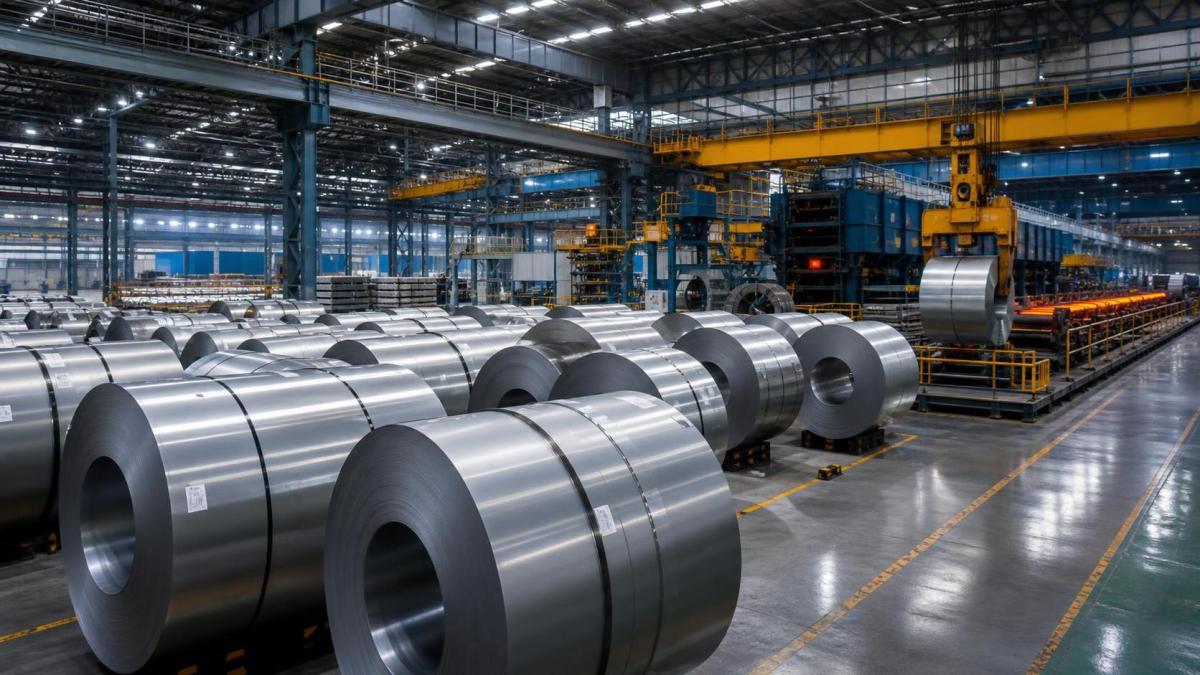
Nucor’s third straight HRC increase
According to the provided information, Nucor, the largest steel producer in the United States, announced another upward adjustment to HRC prices this week on August 13, 2026. This is the third week in a row that the company has raised prices. The stated backdrop is higher North American scrap costs and a recovery in downstream orders from the automotive and infrastructure sectors.
For overseas importers, the key point is not only the local price increase itself, but also the possibility that HRC supply will be repriced more actively across markets as buyers respond to tightening domestic conditions in the U.S.
Why the ripple extends beyond the U.S. market
Importers face a higher replacement cost
From a trade perspective, repeated U.S. price increases can lift the reference level used by import buyers when comparing offers from different origins. Even when an importer is not buying from the U.S. directly, a firmer domestic benchmark can alter negotiation expectations, especially on timing, validity periods, and the room available for discounts.
Traders and distributors need to watch quote stability
For direct trading firms and distribution channels, the main issue is whether supplier quotes remain stable long enough to support firm sales commitments. When HRC prices rise week after week, the gap between inquiry prices and executable prices can widen, making offer validity, booking pace, and contract timing more sensitive than usual.
Chinese export mills may face pricing pressure
For export-oriented steel mills in China, the development matters because it may affect order pacing and FOB pricing strategy. If global HRC resources are redirected toward the U.S. market or if overseas buyers expect stronger pricing, mills may need to adjust how they quote, how long they hold offers open, and how they balance order intake against delivery commitments.
Downstream users should re-check delivery assumptions
Manufacturers and end users that rely on HRC should pay attention to the interaction between price and lead time. When the upstream market is moving upward, procurement plans tied to fixed budgets or narrow delivery windows may need to be reviewed earlier than usual, especially where replacement timing is critical.
What companies should pay close attention to now
Watch for further price guidance from Nucor
The immediate focus is whether Nucor issues additional pricing guidance or whether this week’s adjustment is followed by another round of changes. The current event is confirmed, but its next-step effect still depends on how the company frames future offers and how buyers respond to the new level.
Separate market signal from confirmed demand recovery
Analysis shows that the current information should be treated as a market signal first, not as proof of a lasting demand cycle. The report points to higher scrap costs and some order recovery in autos and infrastructure, but it does not by itself establish a durable trend across all HRC demand centers.
Recheck contract terms, sourcing windows, and customer communication
Companies involved in procurement or export sales should review pricing clauses, shipment windows, and customer communication timing. In a rising market, the practical risk is not only cost inflation, but also mismatched expectations between the time a quote is issued and the time goods are actually booked or shipped.
What this signal means for the market
Observably, this is more than a single price announcement, but it is still best understood as a near-term market signal rather than a settled long-term conclusion. The sequence of three weekly increases suggests firmer short-term pricing in the U.S. HRC market, while the broader impact on global supply allocation and Chinese export pricing still needs continued observation.
What deserves closer attention is whether the pricing move spreads into other market regions, whether downstream demand holds, and whether importers begin adjusting procurement calendars earlier in response. For now, the most reasonable reading is that the market is testing a higher price band, not that every part of the steel chain has already reset.
How this article was prepared
This article was generated based on the user-provided news title, event date, and event summary. The specific official source link was not provided in the input and should continue to be verified. Relevant source types for follow-up verification typically include company announcements, official corporate pricing notices, industry association updates, and reporting from authoritative business media.
Ongoing monitoring should focus on any further statements from Nucor, downstream order conditions, and changes in importers’ procurement behavior and export mills’ FOB quoting stance.
By clicking 'Allow All', you agree to the storage of cookies on your device to enhance site navigation, analyze site usage and assist with our marketing efforts. Coo Cookie Notice