
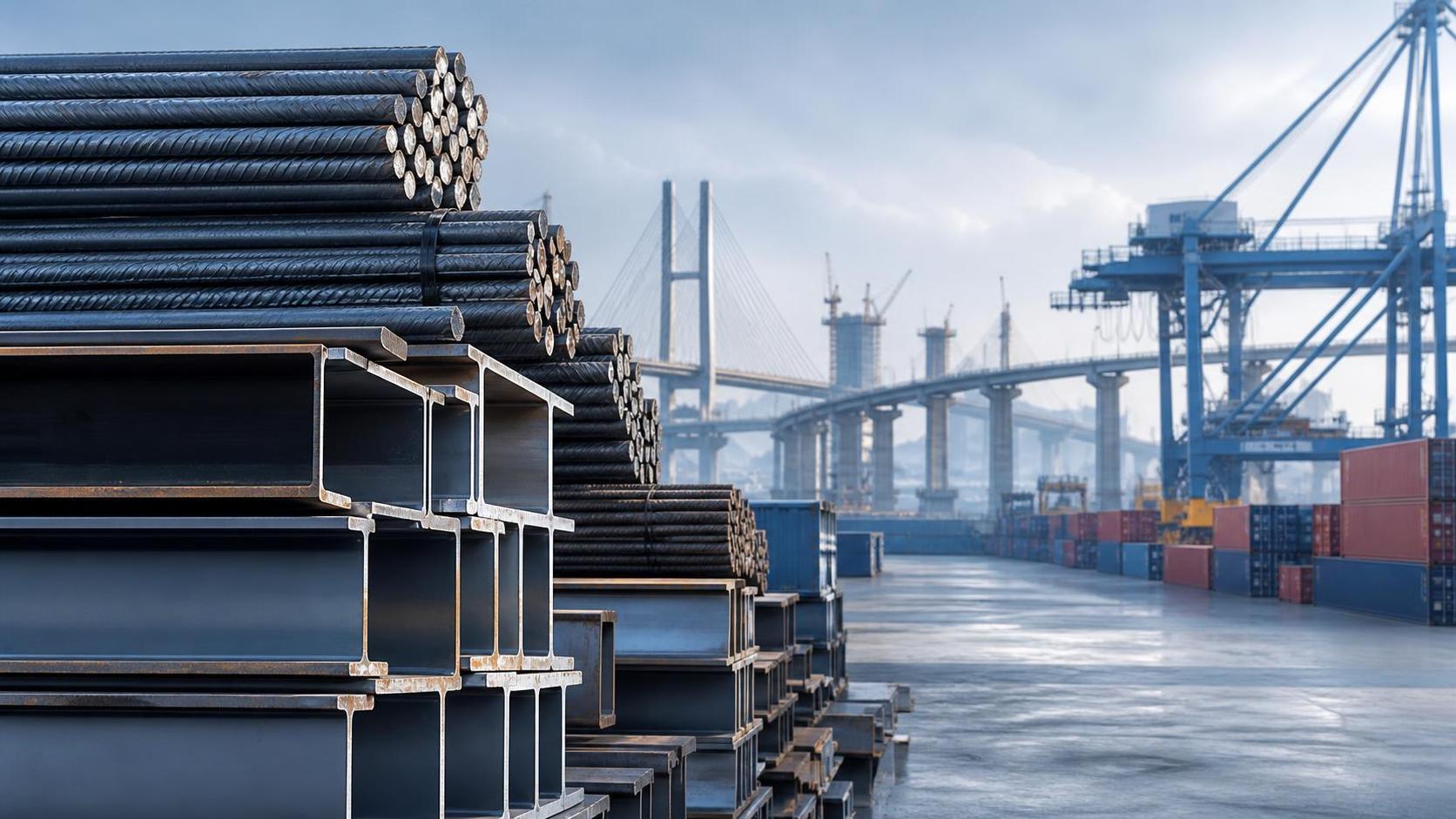
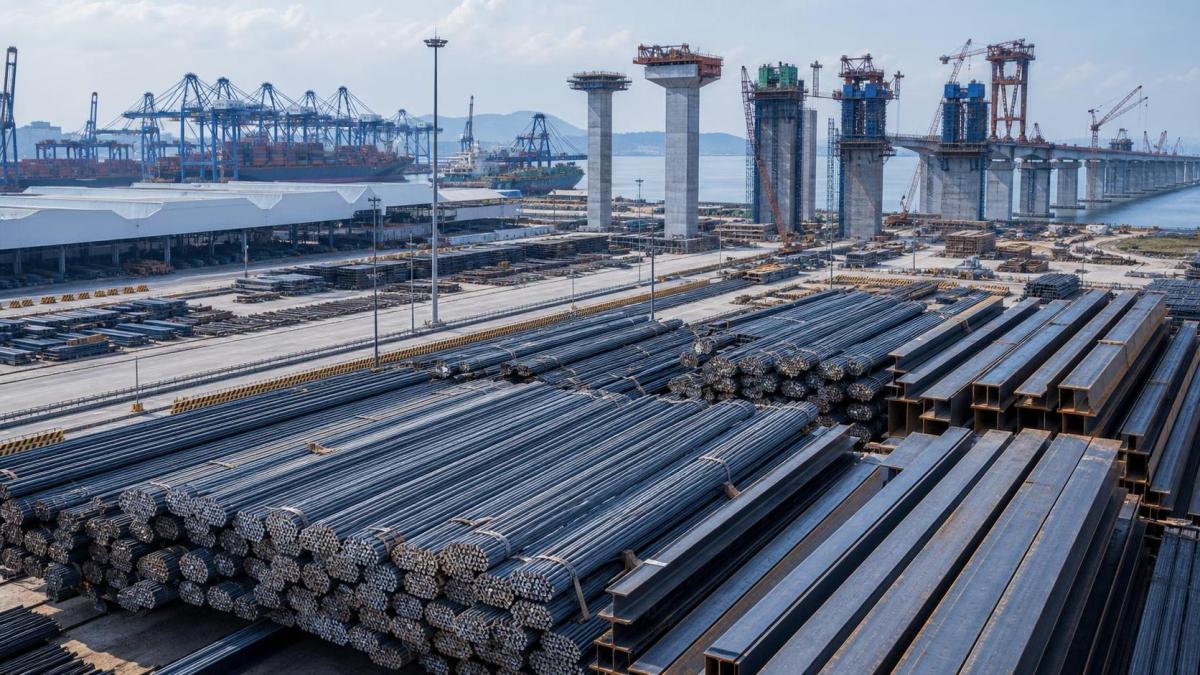
On August 12, 2026, the Malaysian Investment Development Authority (MIDA) announced that the first batch of national infrastructure tenders, with a total value of MYR 180 billion, has officially opened. With projects including the East Coast Rail Link (ECRL) and the Penang Transport Master Plan (PTMP), the development is drawing immediate attention from construction steel traders, importers, procurement teams, and supply chain service providers because it points to a substantial increase in demand for products such as rebar and section steel and raises near-term questions around sourcing capacity, compliance, and contract structure.
What Has Been Confirmed So Far
According to the information provided, the newly opened tender package covers national-level infrastructure projects in Malaysia with a combined value of MYR 180 billion. Named projects include the ECRL and PTMP.
The same announcement indicates that these projects are expected to directly increase annual imports of construction steel, including rebar and section steel, by more than 1.2 million tons.
Current local self-sufficiency is stated to be below 45%, while import dependence stands at 55%. Based on the provided information, this creates a larger external supply role in meeting project-related demand.
Where the Impact May Appear First
Trade flows are likely to tighten around construction-grade steel
From an industry perspective, direct trading companies may feel the earliest impact because the reported increase in import demand is concentrated in core construction steel categories. The main business effect would likely appear in quotation activity, order matching, and negotiations over delivery schedules. What deserves closer attention is whether buyers begin shifting from spot-oriented purchases toward more structured supply arrangements.
Procurement teams will be watching availability and documentation
For procurement-side participants, the significance lies in the gap between project demand and domestic self-sufficiency. Analysis shows that when local supply covers less than half of demand, imported material becomes more central to execution planning. The practical pressure points are likely to include supplier qualification checks, product documentation, and delivery coordination rather than price discussion alone.
Supply chain service providers may see greater execution complexity
Observably, logistics, customs, and trade support providers could be affected because higher import dependence usually increases the importance of cargo movement, document handling, and timetable coordination. In this case, the reference to a compliance-based re-export window suggests that service providers involved in cross-border execution may need to pay closer attention to process discipline and transaction structure.
Chinese exporters may focus on order visibility and compliance pathways
The provided information notes a dual window for Chinese steel exporters: compliant re-export arrangements and longer-term orders. Analysis shows this matters less as a short-lived sales signal and more as a question of how exporters position themselves for repeat infrastructure demand while maintaining documentation and transaction compliance.
What Companies Should Track Now
Watch for further official wording and tender-related clarification
Companies following this development should distinguish between the opening of tenders and the actual pace of material procurement. What deserves closer attention is whether subsequent official communication adds more detail on procurement timing, product requirements, or execution sequencing.
Prioritize the steel categories named in the announcement
The information provided specifically points to rebar and section steel. For businesses evaluating market exposure, this makes those categories more relevant than broad assumptions about all steel products. The immediate operational focus is likely to be on matching product scope to actual project demand.
Prepare supplier files and transaction documents early
Because the current opening is associated with a compliance-based re-export opportunity, companies involved in export, import, or intermediary trade should pay close attention to qualification materials, product documents, and transaction records. Analysis shows that readiness in paperwork and process can become as important as supply availability when infrastructure-linked orders begin to move.
Align delivery expectations with contract structure
For teams in sales, procurement, and customer coordination, it is more appropriate to understand this phase as one that requires preparation for different order types. The reference to longer-term orders suggests that counterparties may place more value on delivery consistency and execution reliability than on one-off shipment capacity alone.
Why This Looks Like More Than a Routine Tender Notice
Analysis shows that this development carries two layers of meaning. First, it points to a clear near-term demand signal for imported construction steel because the announced projects are large and the supply gap is already identified in the provided information. Second, it serves as a structural indicator that local supply constraints remain relevant in major infrastructure execution.
At the same time, it is more appropriate to understand this as an industry signal rather than a fully realized market outcome. The tender opening confirms direction, but the pace, purchasing rhythm, and business conversion still require continued observation.
How the Market May Best Read This Stage
Based on the information provided, the main significance of this announcement is not simply that infrastructure spending is being activated, but that imported construction steel is positioned to play a meaningful role in project delivery. For traders, exporters, procurement teams, and supply chain service providers, the development is relevant because it links project tendering directly with import demand and compliance execution.
A neutral reading is that this is both a short-term commercial trigger and a longer-term signal worth monitoring. It should not yet be treated as a finished demand outcome, but it is already important enough to shape preparation in steel sourcing, trade documentation, and customer engagement.
Basis of This Article and What Still Needs Verification
This article is generated based on the user-provided news title, event date, and event summary. The core factual basis comes from the provided MIDA-related announcement context dated August 12, 2026.
For this type of industry update, commonly relevant source categories may include official government announcements, corporate disclosures, industry association updates, authoritative media coverage, and standard-setting or regulatory documents. A specific official source link was not provided in the input, so further verification remains necessary.
Areas that still warrant follow-up include any later official clarification on tender implementation, procurement rules, category-specific requirements, and whether the expected import increase translates into confirmed purchasing activity.
By clicking 'Allow All', you agree to the storage of cookies on your device to enhance site navigation, analyze site usage and assist with our marketing efforts. Coo Cookie Notice