

On November 4, 2026, the European Parliament's environment committee voted to support a low-carbon steel credit mechanism within EU carbon dioxide standards for cars and vans. The proposed incentive, alongside a lower 2035 emissions-reduction target, is relevant to automakers, steel suppliers and exporters assessing how vehicle rules could affect sourcing and access to automotive supply chains.
Committee Supports Steel Credit and Revised 2035 Target
Under the compromise, automakers using low-carbon steel produced in the EU could receive an additional emissions credit of 7.5%. The compromise also lowers the 2035 emissions-reduction target for cars from 100% to 87.5%.
The measures are intended to create stable demand for green steel, support industrial production and preserve jobs.
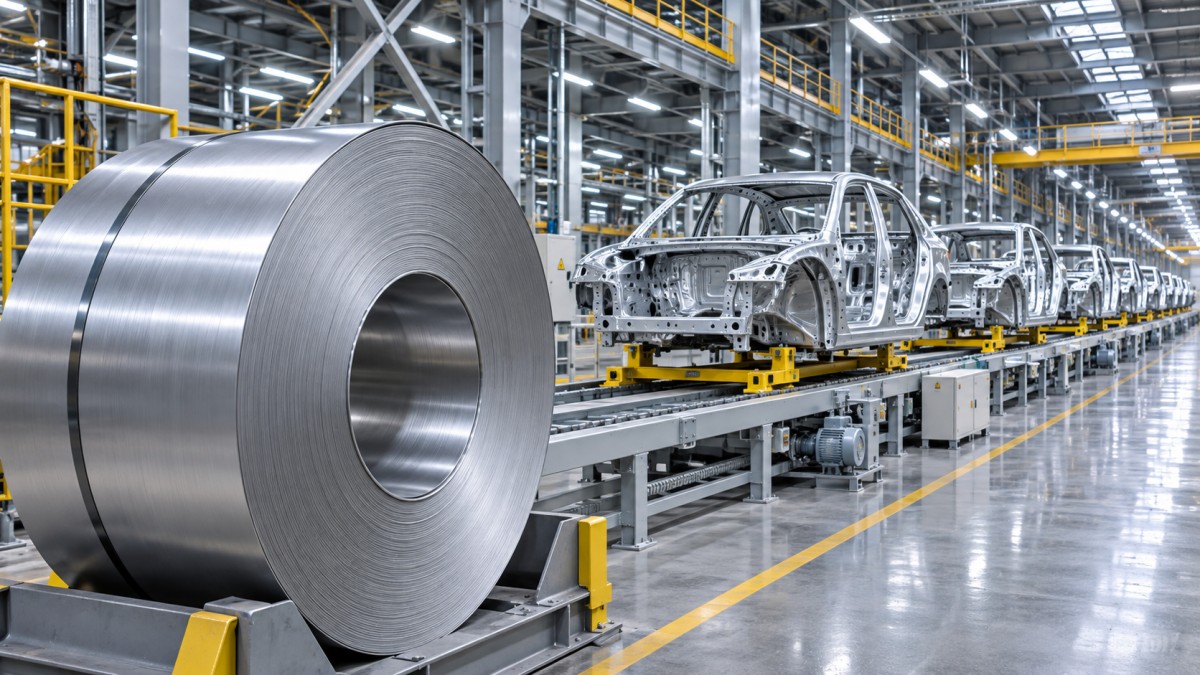
Potential Shifts in Automotive Steel Sourcing
Automakers and Their Suppliers
From an industry perspective, the proposed credit could make the origin and carbon characteristics of steel more important in vehicle sourcing decisions. Automakers and component suppliers may need to examine whether materials they purchase could qualify and how any credit would be calculated. The input does not specify the eligibility criteria or calculation method.
Steel Producers and Exporters
Analysis suggests that the reference to EU-produced steel could affect competition for automotive orders. Producers and exporters outside the EU may need to assess how an origin-based incentive could influence customers' purchasing decisions. The committee vote alone does not establish the eventual treatment of imported steel or the commercial effect on existing contracts.
Supply Chain and Verification Services
If a credit mechanism proceeds, manufacturers and their suppliers may place greater emphasis on records linking steel origin and emissions characteristics to deliveries. Testing, verification and supply chain service providers could also see changes in customer requests, although no specific documentation or certification requirements are established in the information provided.
What to Check Before Changing Procurement Plans
Definition and Evidence
Businesses can monitor subsequent official texts for the definition of low-carbon steel, the treatment of production origin and any evidence needed to support a credit claim. Existing material records and supplier information may be useful to review, but the committee vote does not establish which documents or certifications would be accepted.
Contracts and Delivery Planning
Automakers and steel buyers may wish to assess how potential eligibility conditions could affect supplier selection, contract terms and delivery planning. Suppliers can review their ability to provide relevant product information while avoiding assumptions about when, or in what form, a mechanism might apply.
Export and Alternative Sourcing Scenarios
Exporters and buyers can compare sourcing scenarios that take account of the proposed EU-production condition. Any assessment should remain provisional until the treatment of different supply arrangements and the final rules are clear.
A Signal That Still Requires Follow-Through
At this stage, it is more appropriate to view the committee vote as a policy signal than as evidence of an implemented requirement. Analysis of its commercial implications depends on subsequent rulemaking, including whether the proposed credit and revised target are retained and how eligibility and calculation details are defined. Procurement documents and industry feedback may also help show how market participants respond.
Keeping Decisions Proportionate
The proposed mechanism links automotive emissions rules with demand for EU-produced low-carbon steel, while the compromise also revises the 2035 car emissions-reduction target. For businesses across the automotive steel chain, the practical response is to monitor the proposal and assess sourcing and documentation scenarios without treating unconfirmed details as binding rules.
Basis for This Report
This article is based on the user-provided news title, event date and event summary. No specific official source link was provided in the input; the underlying information and subsequent developments still need to be verified. Relevant material to monitor includes official announcements and regulatory publications, as well as procurement documents, implementation details and industry feedback.
By clicking 'Allow All', you agree to the storage of cookies on your device to enhance site navigation, analyze site usage and assist with our marketing efforts. Coo Cookie Notice