

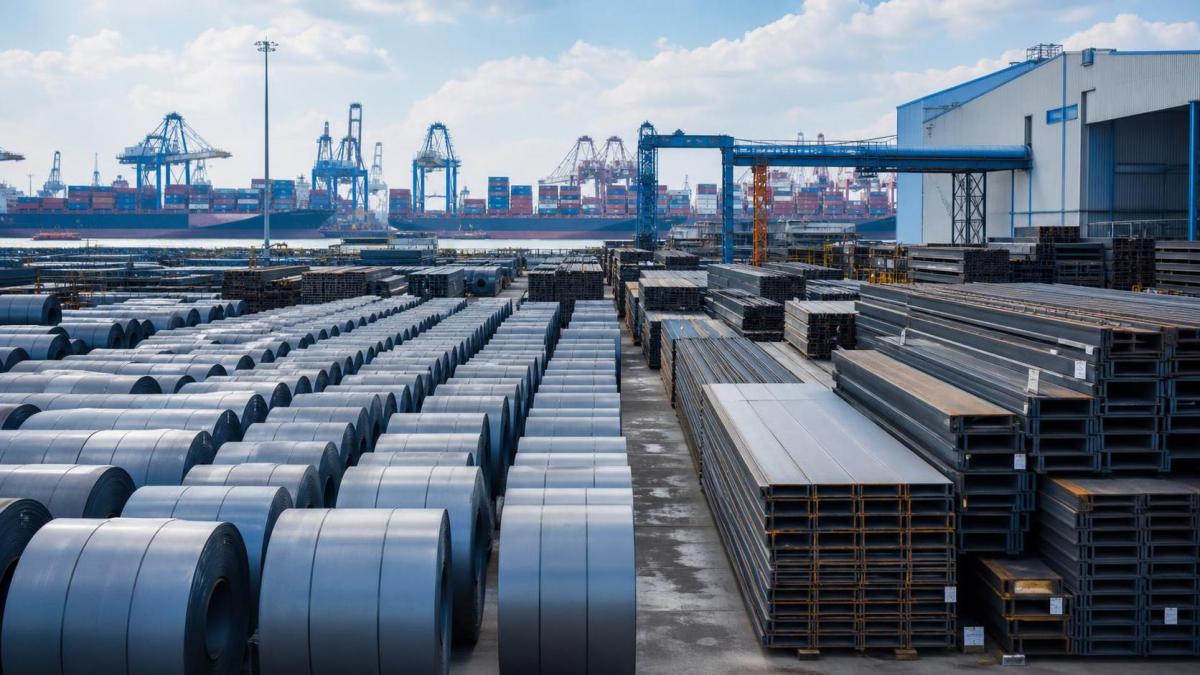
On August 4, 2026, the U.S. Department of Commerce announced the first sunset review of the anti-dumping order on hot-rolled steel products imported from China and, at the same time, opened a review of the related countervailing duty order. For overseas importers, distributors, and downstream manufacturers, this is not simply a procedural update: it is a policy review that can shape purchasing costs, supplier eligibility, and compliance filing requirements over the next 12 to 18 months, with the key question being whether the current trade remedies will remain in place after August 2027.
What the August 4 Announcement Confirms
The confirmed facts are limited but commercially significant. The U.S. Department of Commerce issued a notice on August 4, 2026 to begin the first sunset review of the anti-dumping duty order covering Chinese hot-rolled steel products exported to the United States. A parallel review was also initiated for the countervailing duty order.
The purpose of these reviews is to determine whether the existing anti-dumping and countervailing duty measures should continue beyond their current expiry point in August 2027. The review outcome therefore matters directly to parties engaged in importing, distributing, or using the affected products in the U.S. market.
Where the Business Impact May Be Felt First
Procurement decisions face a longer period of uncertainty
From an industry perspective, import-oriented trading companies and procurement teams may be affected first because the review creates a live question around future landed cost assumptions. The issue is not only the current duty framework, but also how companies budget, quote, and plan sourcing cycles while the continuation decision remains under review.
Distributor qualification and supplier screening may tighten
Distributors and channel operators may need to pay closer attention to supplier access and documentation readiness. Analysis shows that when a trade remedy review is active, supplier qualification is no longer only a commercial matter; it also becomes a compliance-sensitive process tied to product scope, origin-related records, and the ability to support customs declarations consistently.
Downstream manufacturers may need to reassess input risk
For downstream manufacturers using hot-rolled steel in their production chain, the practical issue is exposure to procurement cost changes and delivery planning over the coming 12 to 18 months. What deserves closer attention is whether current sourcing arrangements remain suitable if the policy environment stays unchanged after August 2027, or if review-driven uncertainty affects supplier commitment and contract discussions before then.
Compliance service providers may see higher verification demands
Supply chain service providers, customs-related teams, and external compliance advisors may also face a more active role. The review itself does not establish a new result yet, but it raises the importance of filing accuracy, record retention, and communication between importers, suppliers, and intermediaries involved in cross-border transactions.
Practical Points Companies Should Track Now
Watch for official wording and procedural developments
Companies with exposure to the affected trade flow should closely follow subsequent official language and procedural steps linked to the review. Analysis shows that in this kind of case, the business impact often depends not only on the existence of a review, but on how future notices frame timing, scope, and continuation questions.
Separate policy signals from immediate operating changes
It is more appropriate to understand this announcement as the start of a review process rather than a final commercial outcome. Businesses should avoid treating the initiation itself as a confirmed change in duty treatment, while still recognizing that it can influence pricing discussions, sourcing plans, and customer expectations well before any final decision takes effect.
Review supplier files and transaction documents
Importers, distributors, and manufacturers should check whether supplier qualification records, transaction documents, and customs-related materials are complete and consistent. Observably, supplier access and compliance declarations are highlighted in this case because the outcome may affect both eligibility assessments and operational documentation over the next 12 to 18 months.
Prepare internal communication around sourcing and delivery
Commercial teams may also need a clearer internal view of how to discuss this review with customers, suppliers, and logistics partners. The immediate value of that preparation is not to predict the outcome, but to reduce confusion around lead times, quotation validity, and contingency planning if procurement assumptions need to be revised later.
Why This Reads as a Live Policy Signal, Not a Final Result
Analysis shows that this development should be read as an active policy signal with direct business relevance, rather than as a completed market outcome. The announcement confirms that the future of the current anti-dumping and countervailing duty orders is under formal review, but it does not by itself settle whether those measures will continue after August 2027.
From an industry perspective, that is exactly why the update matters. It introduces a defined review horizon that can influence planning, while still leaving the final commercial consequences open. For companies in the relevant trade chain, the need is not immediate strategic overreaction, but disciplined monitoring and better preparedness in procurement and compliance workflows.
How the Market May Need to Frame This Update
The industry significance of this announcement lies in its timing and its operational reach. It connects a formal U.S. review process with near-term decisions on sourcing, supplier access, and declaration readiness. That makes it more than routine procedure, even though no final outcome has yet been established.
It is more appropriate to understand this as a review-stage development with medium-term commercial implications. In other words, it is neither a closed result nor a detail that affected businesses can ignore. For now, the most rational reading is that the market should continue watching the process closely while aligning procurement and compliance practices with a potentially extended period of policy uncertainty.
Basis of This Article and Ongoing Verification
This article is based on the user-provided news title, event date, and event summary concerning the U.S. Department of Commerce's August 4, 2026 initiation of sunset reviews covering anti-dumping and countervailing duty orders on hot-rolled steel products from China.
For this type of industry update, commonly relevant source categories may include official government notices, company announcements, industry association releases, authoritative media reporting, and standard-setting or regulatory documents. A specific official source link was not provided in the input, so further verification remains necessary as the review process develops. Continued attention should focus on later official notices, any clarification of review procedures, and signals that could affect sourcing, supplier qualification, and compliance execution.
By clicking 'Allow All', you agree to the storage of cookies on your device to enhance site navigation, analyze site usage and assist with our marketing efforts. Coo Cookie Notice