

On July 5, 2026, the U.S. Department of Commerce opened an anti-dumping administrative review covering galvanized steel sheets from China, bringing a new round of rule-based scrutiny to shipments exported between October 1, 2024 and September 30, 2025. For importers, exporters, and supply chain participants linked to this product flow, the development matters because it can affect cash deposit rates, customs clearance costs, and the basis for later duty determinations, while also requiring sales and cost submissions by August 15. From an industry perspective, this is less about a single filing event and more about how trade remedy enforcement is being applied in day-to-day market access and transaction execution.
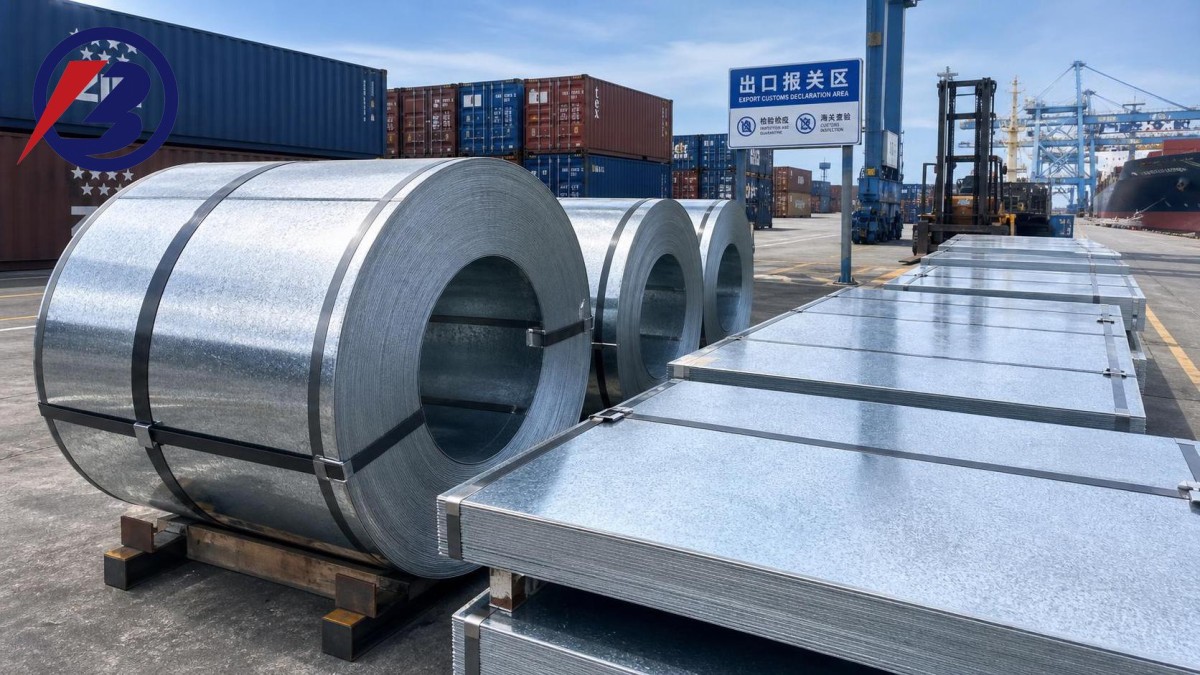
What Has Been Formally Initiated
According to the provided event information, the U.S. Department of Commerce formally initiated an anti-dumping administrative review on July 5, 2026 for galvanized steel sheets originating in China.
The review covers export batches shipped during the period from October 1, 2024 to September 30, 2025.
The provided summary states that this review will directly affect the cash deposit rates of U.S. importers, their customs clearance costs, and the final duty outcomes for a later annual period. It also states that importers are required to submit sales and cost data by August 15.
The same summary indicates that the action sends a clear signal of strengthened and normalized U.S. trade remedy oversight on exports of lower- and mid-range steel products from China.
Where Pressure May Appear Across the Transaction Chain
Import-side execution may become more document-sensitive
For U.S.-side import participants, the immediate relevance lies in customs cost exposure and filing obligations tied to the review. Because the proceeding can affect cash deposit rates and later duty outcomes, the operational pressure is likely to show up in customs planning, landed cost calculations, and the preparation of supporting sales and cost records. What deserves closer attention is whether internal transaction files are complete, consistent, and ready for review-related submissions within the stated timeline.
Chinese exporters may face tighter expectations on traceable trade records
For exporters of galvanized steel sheets from China, the event matters because the review concerns shipments already made during a defined period and connects those shipments to later trade remedy assessment. Analysis shows that exporters should pay close attention to the integrity of commercial records, transaction data, pricing materials, and cost-related documentation that may support counterparties involved in the review process. Even where the filing obligation sits elsewhere, record quality can still influence how smoothly downstream compliance is handled.
Procurement and delivery planning may need adjustment
For buyers, distributors, and supply chain service providers handling this product category, the issue is not only tariff exposure but also execution risk across procurement and delivery schedules. Observably, if review-related uncertainty feeds into clearance cost expectations or annual duty outcomes, purchasing decisions, supplier coordination, and shipment timing may become more cautious. In practice, the main areas to watch are contract terms, document readiness, and the ability to respond to compliance requests without disrupting delivery commitments.
Practical Points Companies Should Track Now
Keep sales and cost files review-ready
Analysis shows that the most immediate practical point is document preparedness. Since the provided event summary specifies an August 15 deadline for sales and cost data, companies connected to the covered trade flow should closely track whether relevant records are complete, internally consistent, and aligned with the shipments covered by the review period.
Recheck landed-cost assumptions and clearance arrangements
Because the review is stated to affect cash deposit rates and customs clearance costs, businesses should revisit current cost assumptions used in pricing, procurement, and delivery planning. This should be understood as a risk-control step rather than as confirmation of any final outcome, since the provided information does not state a completed determination.
Watch how compliance expectations are reflected in business documents
From an industry perspective, another practical point is whether trade remedy scrutiny begins to shape the wording or evidence requirements in commercial paperwork. Companies should monitor transaction documents, technical files, and other supporting records used in trade execution, especially where counterparties may request clearer backing for product, sales, or cost information.
Follow later official language and market response carefully
The current development should not be treated as the end of the process. Observably, businesses should continue tracking later official statements, execution language, and industry response to understand how this review may influence subsequent compliance handling, procurement decisions, and market behavior.
Why This Reads as an Enforcement Signal
Analysis shows that this development is more appropriately understood as an enforcement signal with direct operational relevance, rather than as a purely procedural notice with limited commercial effect. The reason is that the provided summary links the review not only to a formal initiation date and a defined shipment period, but also to cash deposit exposure, customs costs, and required submissions.
At the same time, it remains a rule dynamic that still requires observation. The provided information does not establish a final duty result or a complete execution outcome. For that reason, the industry should treat this as a live compliance and trade management issue, while continuing to watch for further clarification in how the process is carried out.
How the Industry May Best Read This Development
In sum, the July 5, 2026 initiation of the U.S. anti-dumping administrative review on Chinese galvanized steel sheets points to a more normalized pattern of trade remedy oversight in this product area. The confirmed facts already matter to import cost exposure, customs handling, and document preparation.
From an industry perspective, the most balanced reading is that this is an already active procedural change with practical effects, but not yet a final commercial conclusion. Companies should understand it as a concrete compliance and execution signal that warrants continued monitoring rather than as a settled end state.
Basis of This Article and What Still Needs Verification
This article is generated from the user-provided news title, event date, and event summary. No additional unverified data, company details, policy numbers, market figures, or source links have been added.
For developments of this kind, relevant source types commonly include official notices, releases from regulatory authorities, customs or trade administration information, industry association updates, standard-setting documents, and reporting by authoritative media. A specific official source link was not provided in the input, so further verification remains necessary.
What still needs continued observation includes later official detail, execution wording, compliance interpretation, changes in transaction documentation requirements, market feedback, and how affected companies carry out their response in practice.
By clicking 'Allow All', you agree to the storage of cookies on your device to enhance site navigation, analyze site usage and assist with our marketing efforts. Coo Cookie Notice