

On July 20, 2026, the European Commission formally moved the CBAM transition period for certain steel products into mandatory data reporting, creating a direct compliance requirement for Chinese exporters shipping products such as hot-rolled coil, H-beams, and cold-formed sections to the EU. For companies involved in exporting, sourcing, customs handling, and long-term contract management, this matters because carbon disclosure is no longer a background issue but a condition that can affect documentation readiness, clearance timing, and pricing discussions.
What Has Now Become Mandatory
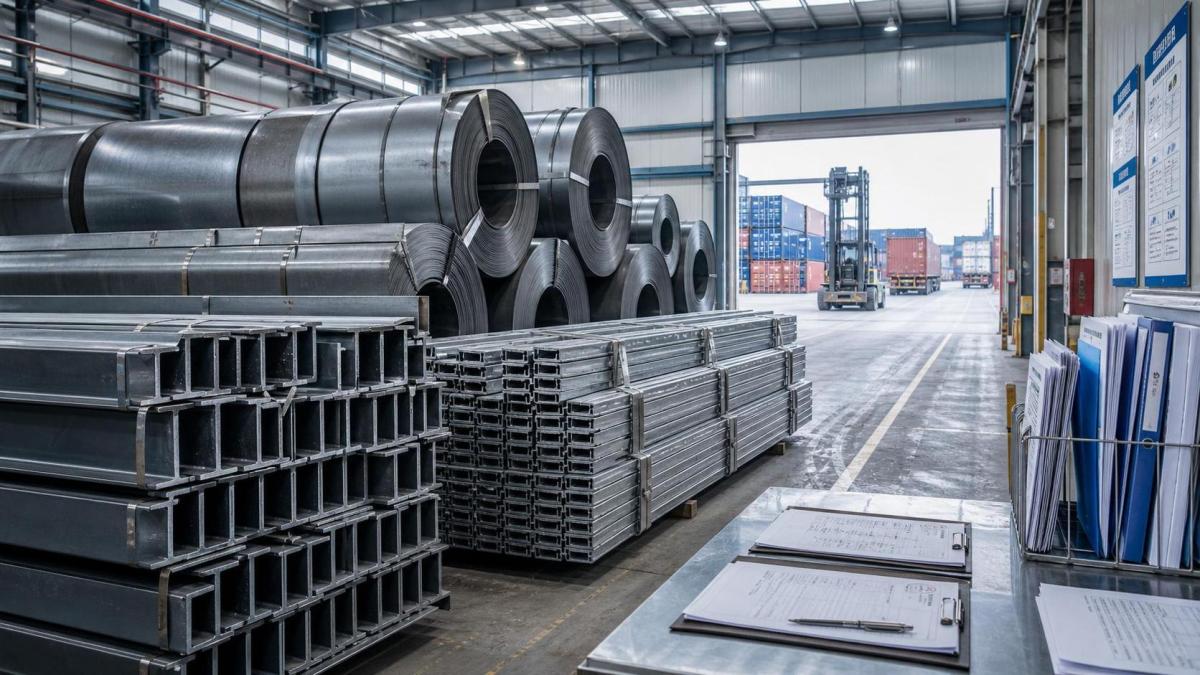
According to the provided event information, from July 20, 2026, Chinese exporters sending covered steel and section products to the EU must submit quarterly data on embedded carbon emissions together with third-party verification statements. The products specifically referenced include hot-rolled coil, H-beams, and cold-formed sections. The same information indicates that the new requirement directly affects procurement-related compliance costs, customs clearance efficiency, and long-term order pricing arrangements. It also states that companies failing to meet the requirement may face delayed release of goods or additional guarantee requirements.
Where the Pressure Is Likely to Appear First
Export transactions are becoming more document-dependent
From an industry perspective, exporters are likely to feel the immediate effect because the rule change links shipment activity more closely to emissions reporting and third-party verification. The main pressure points are likely to be quarterly filing preparation, consistency of supporting documents, and coordination between commercial, compliance, and shipping teams. What deserves closer attention is whether export files, customs documents, and emissions-related declarations can be kept aligned in a way that avoids delays.
Procurement teams may face new screening requirements
Analysis shows that procurement functions are also exposed because the reported embedded carbon data will depend on upstream production information and supporting records. For buyers of steel products and components intended for EU delivery, the issue is no longer only price and specification, but also whether suppliers can provide usable emissions data and verification support on time. This can increase compliance-related sourcing costs and may influence supplier qualification discussions.
Processors and manufacturers may need tighter internal coordination
For manufacturers and processors using covered steel products in export orders, the impact is likely to emerge in production traceability, document collection, and delivery planning. Observably, if product information, production records, and third-party verification materials are not organized early, the risk may appear later in the order cycle through slower customs handling or added commercial friction with overseas customers.
Supply chain service providers may see timing risks rise
Logistics coordinators, customs service providers, and other supply chain participants may also be affected because the event summary directly points to customs clearance timing. In practice, these parties may need to pay closer attention to whether the exporter's reporting package and verification statement are complete before shipment milestones are reached. The operational issue is less about policy interpretation alone and more about whether documentation and handover timing remain workable.
What Companies Should Watch in Current Operations
Check whether reporting materials are ready for quarterly submission
Analysis shows that companies handling covered steel exports should review whether the required embedded carbon data and third-party verification statements can be assembled in a repeatable quarterly process. The key issue is not only having data, but having data in a form that can support filing and trade execution without last-minute gaps.
Review contract and pricing language for longer-cycle orders
Because the provided information explicitly links the new requirement to long-term order pricing mechanisms, exporters and buyers should pay attention to how compliance costs and reporting responsibilities are reflected in contracts. It is more appropriate to understand this as a commercial execution issue as much as a regulatory one, especially where delivery spans multiple reporting periods.
Monitor goods release risk around incomplete compliance files
What deserves closer attention is the stated consequence for non-compliance: delayed release or additional guarantee requirements. Companies should therefore focus on whether shipment preparation, customs filing, and supporting verification documents are being managed as one process rather than as separate tasks handled too late in the cycle.
Keep watching for execution language and document expectations
The provided information does not include more detailed implementation wording, so companies should treat document formats, verification expectations, and operational interpretation as areas that still require close monitoring. This is particularly relevant for firms handling repeated EU shipments in the listed steel product categories.
Why This Looks More Like an Execution Signal Than a Distant Policy Story
Observably, this development is better understood as a live compliance signal rather than a general policy headline. The reason is that the event description ties the CBAM transition period directly to mandatory quarterly reporting, third-party verification, clearance timing, and possible guarantee requirements. Analysis shows that the market impact may not appear first through headline-level trade volumes, but through day-to-day execution pressure in documentation, supplier coordination, and contract handling. At the same time, this should not be overstated as a fully settled end-state, because the practical market response will still depend on how reporting and verification expectations are applied in ongoing business operations.
How to Read This Change for the Near Term
For the steel export trade, the immediate significance of this update is that carbon-related compliance has moved closer to the core workflow of shipment, procurement, and order management. From an industry perspective, it is more appropriate to understand this as a rule that has entered practical implementation, while still requiring continued observation of execution details and business response. The most rational reading at this stage is that affected companies should treat reporting readiness and supporting verification as part of routine export preparedness, not as a secondary administrative matter.
Basis of This Article and What Still Needs Verification
This article is based on the user-provided news title, event date, and event summary. For events of this kind, relevant source categories typically include official announcements, regulatory publications, customs or trade authority information, industry association updates, standard-setting documents, and reporting by authoritative media. No specific official source link was provided in the input, so the exact official reference still needs to be verified on an ongoing basis. Observably, the areas that still warrant follow-up include detailed implementation language, verification expectations, documentation practice, tender or contract wording changes, industry feedback, and how affected companies carry out compliance in actual export operations.
By clicking 'Allow All', you agree to the storage of cookies on your device to enhance site navigation, analyze site usage and assist with our marketing efforts. Coo Cookie Notice