
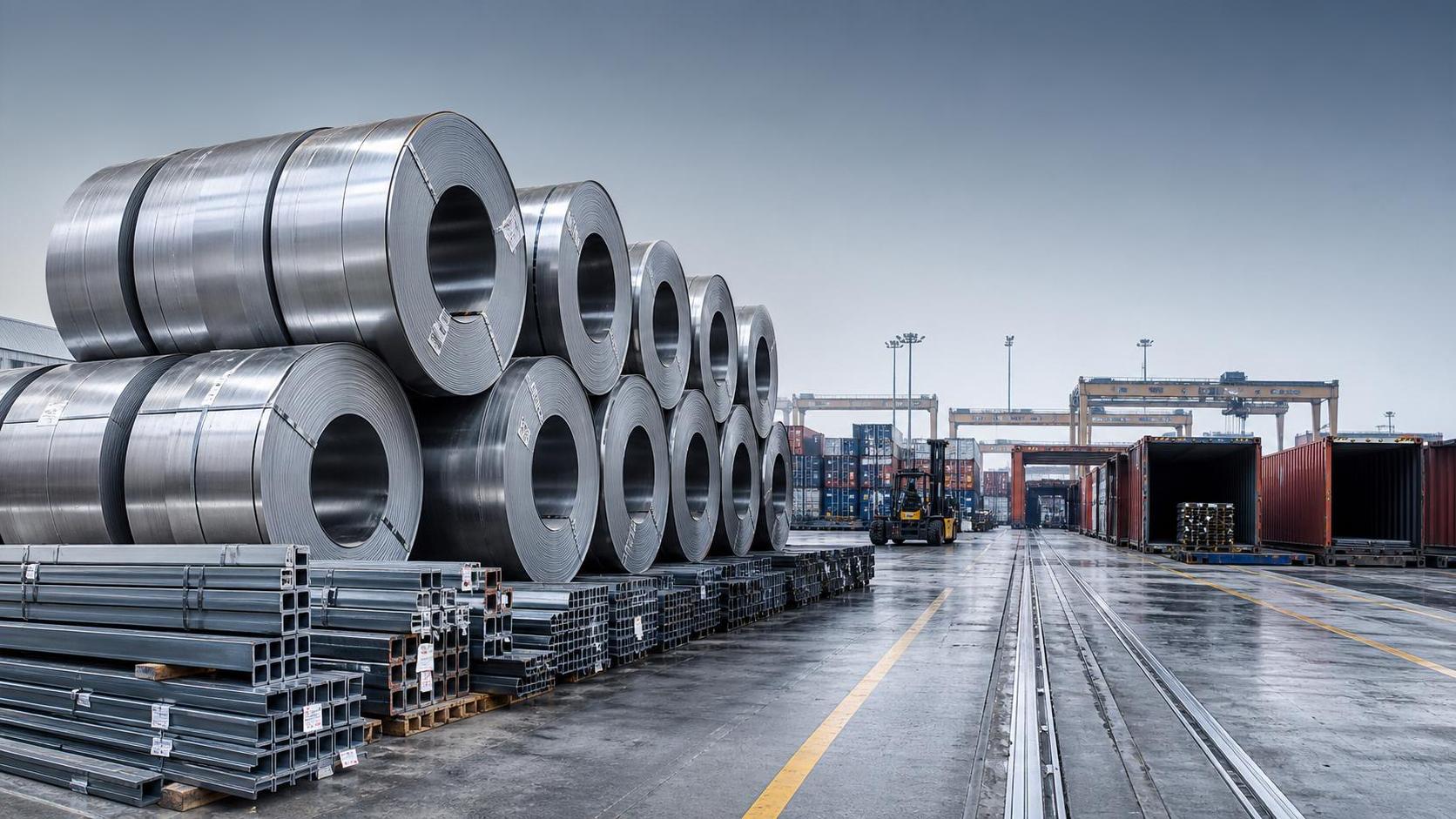
On July 8, 2026, the European Commission formally opened an anti-subsidy investigation into hot-rolled steel coils originating in China under HS 7208-7212, with interested parties and importers required to register and submit initial questionnaire responses within 30 days. For companies involved in EU steel distribution, importing, sourcing, and delivery planning, this is not only a trade case but also an immediate procedural change that may affect customs timing, deposit-related arrangements, procurement costs, and supply chain compliance review.
What has been formally announced
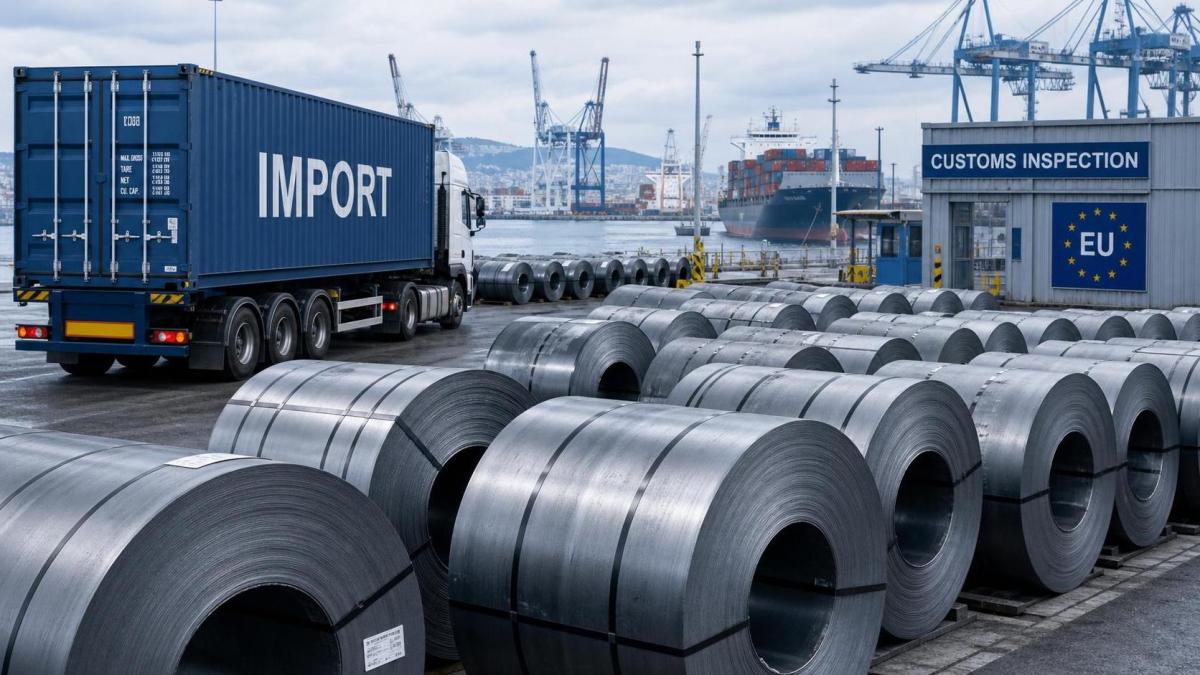
The confirmed information is limited but commercially significant. The European Commission announced on July 8, 2026 that it has initiated an anti-subsidy investigation covering hot-rolled steel coils from China, identified under HS 7208-7212. The notice requires concerned companies and importers to complete registration and submit an initial response within 30 days. The case is described as having direct implications for customs clearance timing, deposit payments, and subsequent procurement costs for distributors and importers in EU member states, while also triggering supply chain compliance checks and alternative supplier assessments.
Where the pressure is likely to appear first
Import operations may face tighter procedural handling
From an industry perspective, importers are among the first parties likely to feel the practical effect of the announcement because the investigation introduces an immediate registration and response requirement. The business impact is likely to center on customs coordination, internal document preparation, and the handling of any deposit-related obligations connected with future shipments. What deserves closer attention is whether internal trade files, product classifications, and shipment documentation are already organized well enough to support a timely response.
Distributors may need to reassess delivery timing and landed cost assumptions
Distributors in EU member states may be affected through changes in clearance timing and follow-on purchasing costs. Analysis shows that even before any final outcome is known, the investigation can alter how distributors evaluate order timing, stock planning, and customer quotations. The immediate issue is less about confirmed long-term market change and more about whether current contracts, replenishment schedules, and cost estimates still reflect the new procedural risk.
Procurement teams may need to widen supplier review
For procurement functions, the announcement raises a practical sourcing question: whether existing reliance on the affected product scope remains operationally workable if compliance review becomes more demanding or lead times become less predictable. Observably, the summary already points to alternative supplier assessment needs, which means buyers should pay attention to supplier qualification materials, technical consistency across substitute sources, and the effect on delivery commitments.
Supply chain service providers may need stronger document control
Logistics, customs, and related supply chain service providers may also see a higher documentation burden. The likely pressure points include filing readiness, coordination with importers on registration status, and tracking documentation that supports product scope and transaction handling. This should be understood as a compliance execution issue rather than a purely commercial one.
What companies should monitor now
Registration and initial response readiness
Analysis shows that the 30-day window is the most immediate operational trigger in the current stage. Companies directly involved should focus on whether responsible teams, external representatives, and internal records are aligned well enough to complete registration and prepare the initial questionnaire response without delay.
Trade files and supporting documents
What deserves closer attention is the completeness of trade and product documentation tied to the covered HS codes. Businesses should review whether commercial records, product descriptions, technical documents, shipping records, and related files are consistent and accessible, because document gaps can quickly become a practical problem once formal responses are required.
Procurement and delivery planning under uncertainty
It is more appropriate to understand this stage as an early execution signal rather than a settled commercial outcome. That means procurement teams should watch for possible effects on lead time, shipment scheduling, and cost assumptions, while avoiding premature conclusions about final pricing or supply availability. For ongoing orders, the key issue is whether current delivery plans remain realistic under additional procedural pressure.
Supplier qualification and fallback options
Observably, the event also raises the need to examine supplier resilience. Companies that depend on the covered product category may need to review whether backup suppliers, substitute sourcing channels, or revised qualification workflows are available if compliance review or customs timing becomes more complicated. This is especially relevant for businesses that must maintain continuity of supply rather than wait for later case developments.
Why this matters beyond the notice itself
Analysis shows that this development is best read as an active trade-rule signal with immediate administrative consequences, not merely as a headline about a new investigation. The formal opening of the case and the registration requirement mean affected companies already need to respond at the process level. At the same time, it would be premature to treat the event as a fully settled market outcome, because the current information does not establish final measures or final commercial effects. Continued attention should therefore remain on how official wording, compliance expectations, and market behavior evolve from this point.
How to read the current stage
At this stage, the industry significance lies in the shift from general policy risk to concrete procedural exposure. Importers, distributors, procurement teams, and supply chain operators are now dealing with a live compliance and trade-handling issue tied to hot-rolled steel coils from China under HS 7208-7212. A balanced reading is that the announcement already changes near-term operating conditions for affected parties, while the broader commercial outcome still requires close observation as implementation develops.
Basis of this article and points still requiring verification
This article is based on the user-provided news title, event date, and event summary. For developments of this kind, relevant source categories typically include official notices, releases from regulatory authorities, customs or trade administration information, industry association updates, standard-setting documentation, and reporting by established business media. No specific official source link was provided in the input, so the exact official reference still needs to be verified on an ongoing basis. Further monitoring should focus on later official wording, implementation practice, compliance interpretation, tender document changes, market feedback, and how affected companies carry out registration and response obligations.
By clicking 'Allow All', you agree to the storage of cookies on your device to enhance site navigation, analyze site usage and assist with our marketing efforts. Coo Cookie Notice